
What Type of Aluminum is Best for Permanent Mold Casting?
December 12, 2025
When it comes to permanent mold aluminum casting, the choice of alloy plays a crucial role in determining both the quality and performance of the final product. Understanding the various types of aluminum and their unique properties is essential for manufacturing engineers, product designers, and procurement directors looking to optimize their projects. In this article, we will explore the characteristics of aluminum suitable for permanent mold casting, the grades commonly used, and the most popular alloys in various industries, all within the context of Permanent Mold Aluminum Casting.
What is the Best Aluminum for Permanent Mold Casting?
The best aluminum for casting is characterized by its fluidity, strength, and resistance to thermal and mechanical stress. These qualities ensure that the aluminum can fill molds successfully, resulting in high-quality castings.
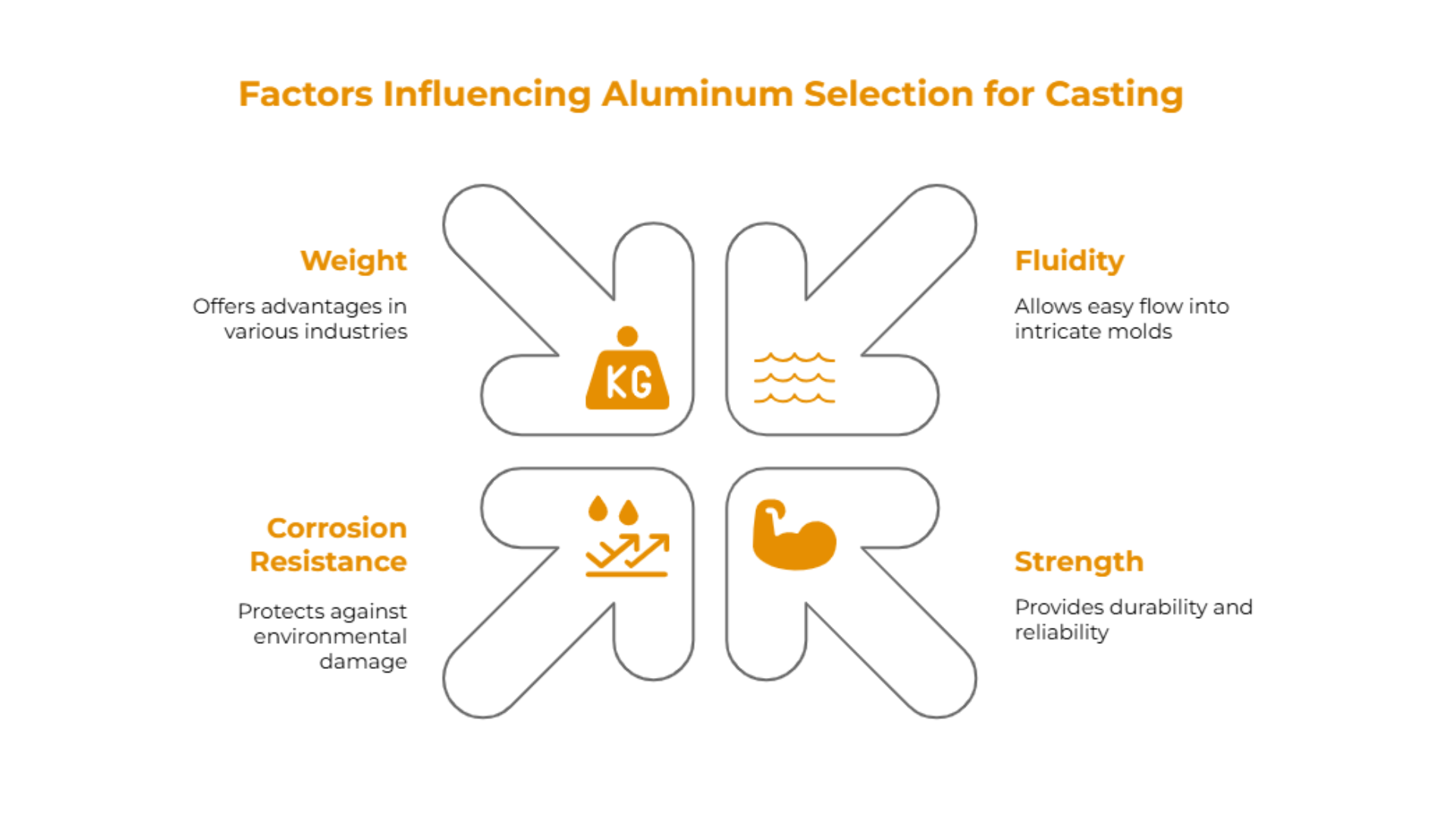
When evaluating what type of aluminum alloy is best for casting metal, key performance characteristics include:
✓ luidity: This allows the molten aluminum to flow easily into intricate mold designs, reducing the likelihood of defects.
✓Strength: High tensile strength is essential for applications that require durability and reliability.
✓Corrosion Resistance: Aluminum naturally resists corrosion, making it ideal for various environments.
✓Weight: Aluminum is lightweight, advantageous in industries like automotive and aerospace.
Applications and Industries
Various applications and industries that utilize cast aluminum, including:
- Automotive aftermarket: Engine components, transmission cases, and structural parts.
- Medical Equipment: structural castings and housings for medical devices.
- Marine: Components for boats, marine engines, and driveline parts.
- Industrial Equipment: Parts for machinery, heavy-duty trucks, and air compressors.
Understanding these characteristics helps in selecting the right aluminum for your specific needs, ensuring optimal performance and reliability for your projects. Additionally, our in-house solidification analysis utilizes advanced technology to run pouring simulations in virtual reality, which eliminates issues like shrinkage and porosity, further enhancing the quality of the final castings.
Common Grades of Aluminum Used for Casting
Common grades of aluminum used in casting processes include:
| Alloy Grade | Key Properties | Common Applications |
|---|---|---|
| A356.0 | Excellent fluidity, corrosion resistance | Automotive, aerospace, intricate designs |
| 413.0 | High strength, excellent casting characteristics | Marine applications |
| 319.0 | Good wear resistance | Engine components, heavy-duty applications |
Each of these grades has specific properties making them suitable for different applications, as outlined in the cast aluminum alloys list. Selecting the right grade enhances the performance and durability of the final product. Our capabilities also include advanced CNC machining and strict quality control, which ensure that every casting meets the required specifications and tolerances.
What is the Most Common Aluminum for Casting?
The most widely used aluminum alloys in casting, are:
›A356.0: This primary alloy is popular due to its excellent mechanical properties and versatility, making it a go-to choice in the automotive and aerospace industries.
›319.0 This alloy is extremely popular for its excellent mechanical properties for all general casting applications.
›413.0: This alloy is often selected for its light weight and strength, making it ideal for marine components.
The popularity of these alloys stems from their balance of properties that meet the demands of various industries. Their ability to provide high-quality castings while maintaining cost-effectiveness makes them a preferred choice for manufacturers. Also, our pressure testing capabilities, which include testing up to 150 psi, ensure that the castings not only meet but exceed industry standards for performance and safety.
What is the Best Aluminum to Cast?
When comparing different aluminum alloys for casting, several factors influence the choice:
• Casting Properties: Fluidity, shrinkage, and porosity are critical factors that affect the casting process.
• Mechanical Properties: Tensile strength, hardness, and elongation determine the alloy’s performance in its intended application.
• Corrosion Resistance: Depending on the environment, some alloys may be more suitable than others.
For automotive applications, the best aluminum alloys for casting are typically A356.0 and 319.0. These alloys offer excellent strength and durability, while also supporting intricate designs. Their properties make them ideal for components that require both high performance and a quality finish.
Selecting the right aluminum for casting is essential for ensuring the success of your projects. By understanding the various grades and their applications, you can make informed decisions that enhance the quality and reliability of your castings. Our single-source solution approach streamlines your projects from design through assembly and inventory management, ensuring a seamless experience.
Want to see a technical breakdown of the alloys we pour and how Procast applies the power of Permanent Mold Aluminum Casting to deliver precision, consistency, and performance?
Discover how our team can bring your next project to life with unmatched quality and expertise.