We provide a seamless, all-in-one solution for aluminum castings, ensuring consistency and quality. Our integrated approach means you get professional service, reliable on-time delivery, and competitive pricing—all while we continually invest in cutting-edge technology to exceed your expectations.
OUR CORE SERVICES
Precision Craftsmanship For Every Need
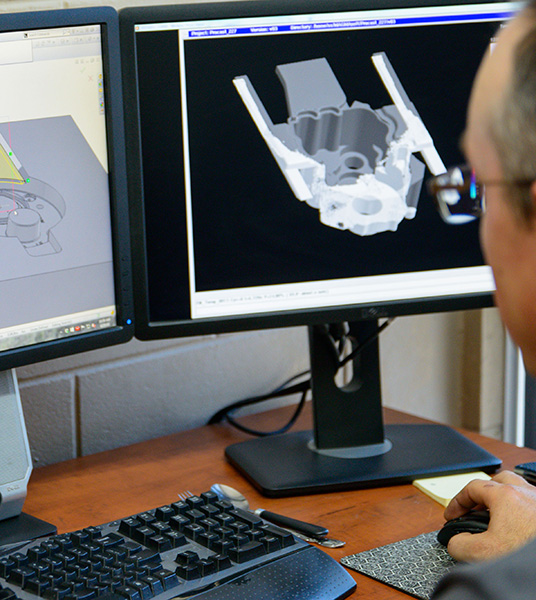
Engineering Design Support
Partner with us for expert guidance to refine and perfect your designs.
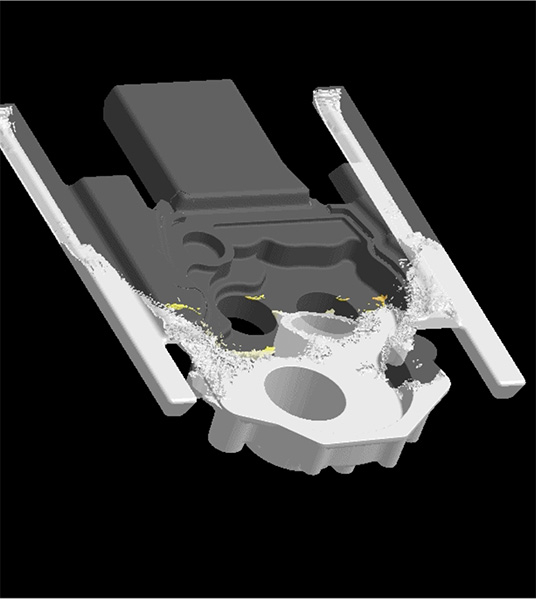
Solidification Analysis
Optimize your casting process with advanced solidification analysis, ensuring top-notch results.
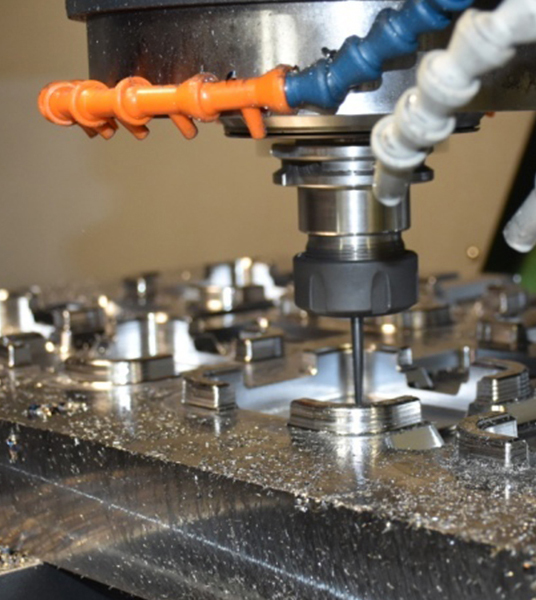
Tooling Design and Manufacturing
Achieve perfect precision with our custom tooling solutions.

Sand Core Production
Create intricate internal features effortlessly with our advanced sand core production.
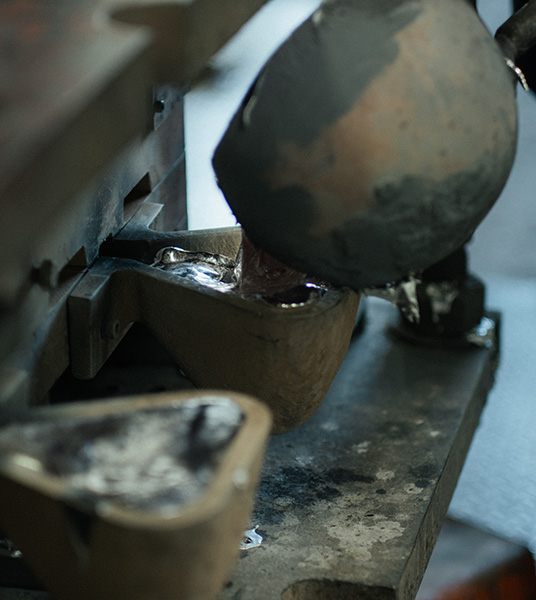
Aluminum Castings
Whether it's tilt-pour or static pour, our Permanent Mold Process guarantees exceptional quality and consistency.
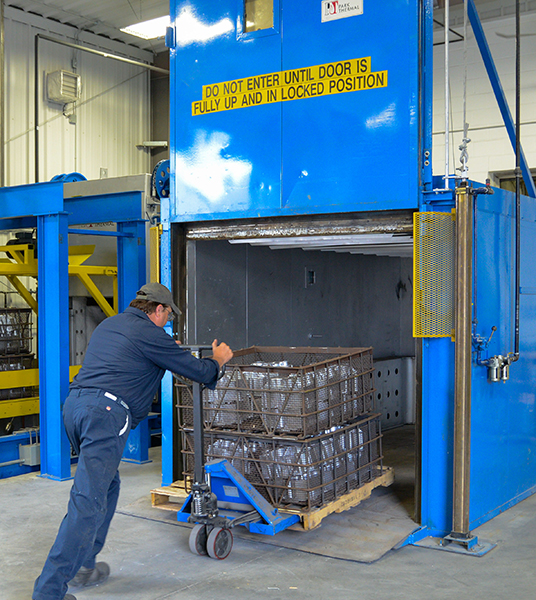
Heat Treating
Here to enhance your castings' performance and durability through precise heat treating.
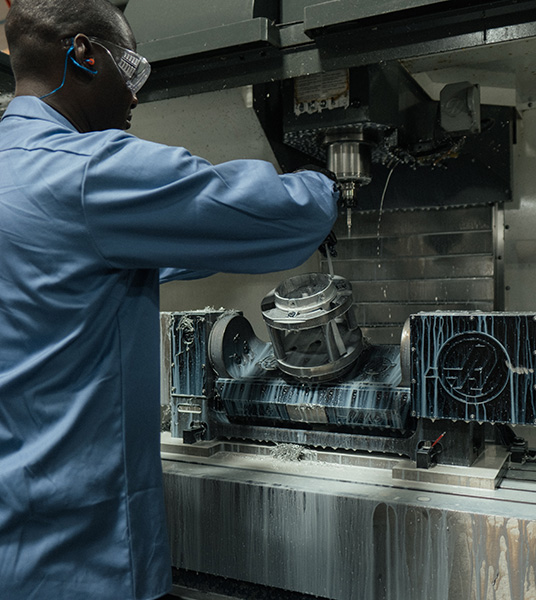
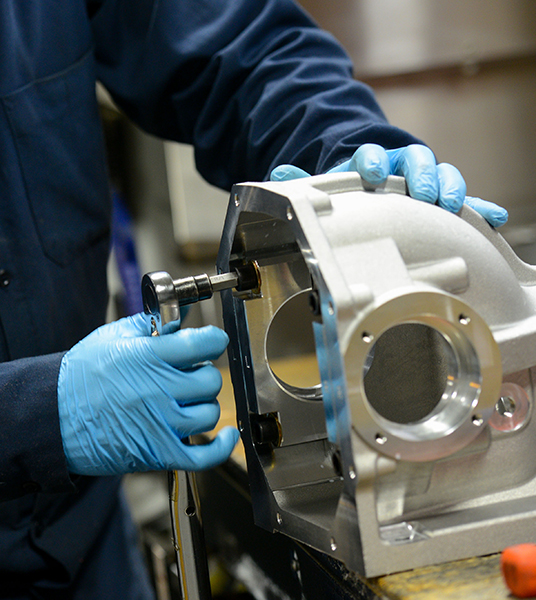
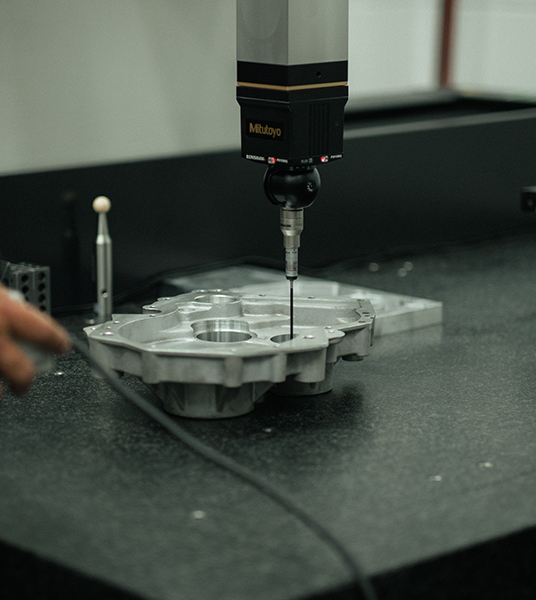
Quality Control
We strive to not only meet our customers expectations, but to exceed them each and every time we run their products.
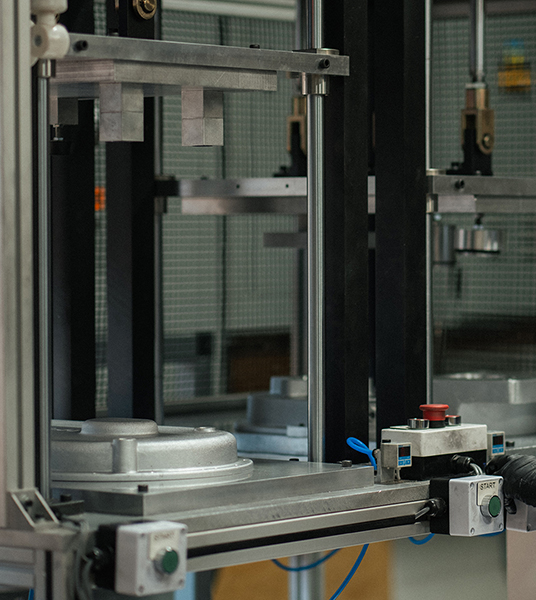
Pressure Testing
ProCast offers Air Decay, and Underwater Testing to ensure supplied castings meet a castings intended pressure testing requirement up to 150psi.
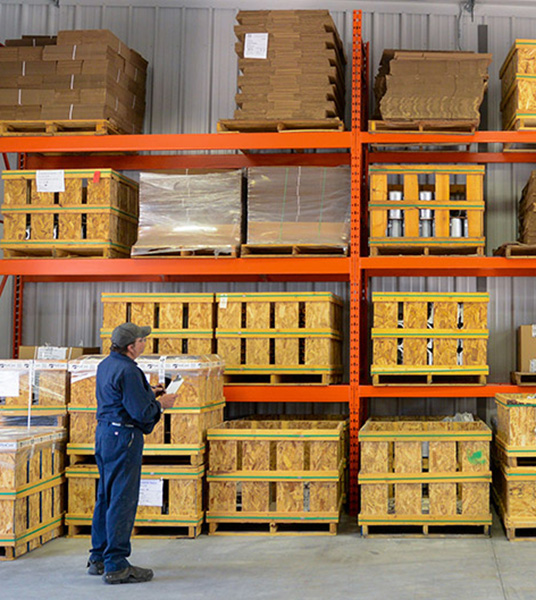
Inventory Management
ProCast Technologies has always prided itself on its ability to provide the highest quality castings on time, every-time.
Industries We Serve
Diverse Solutions For Every Sector
ProCast serves a broad spectrum of industries with tailored solutions:
Industrial Equipment
Automotive Aftermarket
Lighting Manufacturers
Agricultural Equipment
Power Sports Aftermarket
Medical Equipment
Marine
Heavy Duty Trucks
Materials Handling
Recreational Vehicles
Power Transmission
Office Furniture
Defence
Railway
Process Monitoring
Explosion Proof
Electrical Transmission and Distribution
and many more!
We uphold the highest standards of quality. Our certifications are a testament to our commitment

Frequently Asked Questions
Get the Answers You Need
TESTIMONIALS
What Our Customers Are Saying
NEWS & ARTICLES
Stay Informed with ProCast
Dive into our latest articles and insights on material selection, industry trends, and more. Stay ahead of the curve with fresh and relevant updates.
What types of parts or industries benefit most from usi...
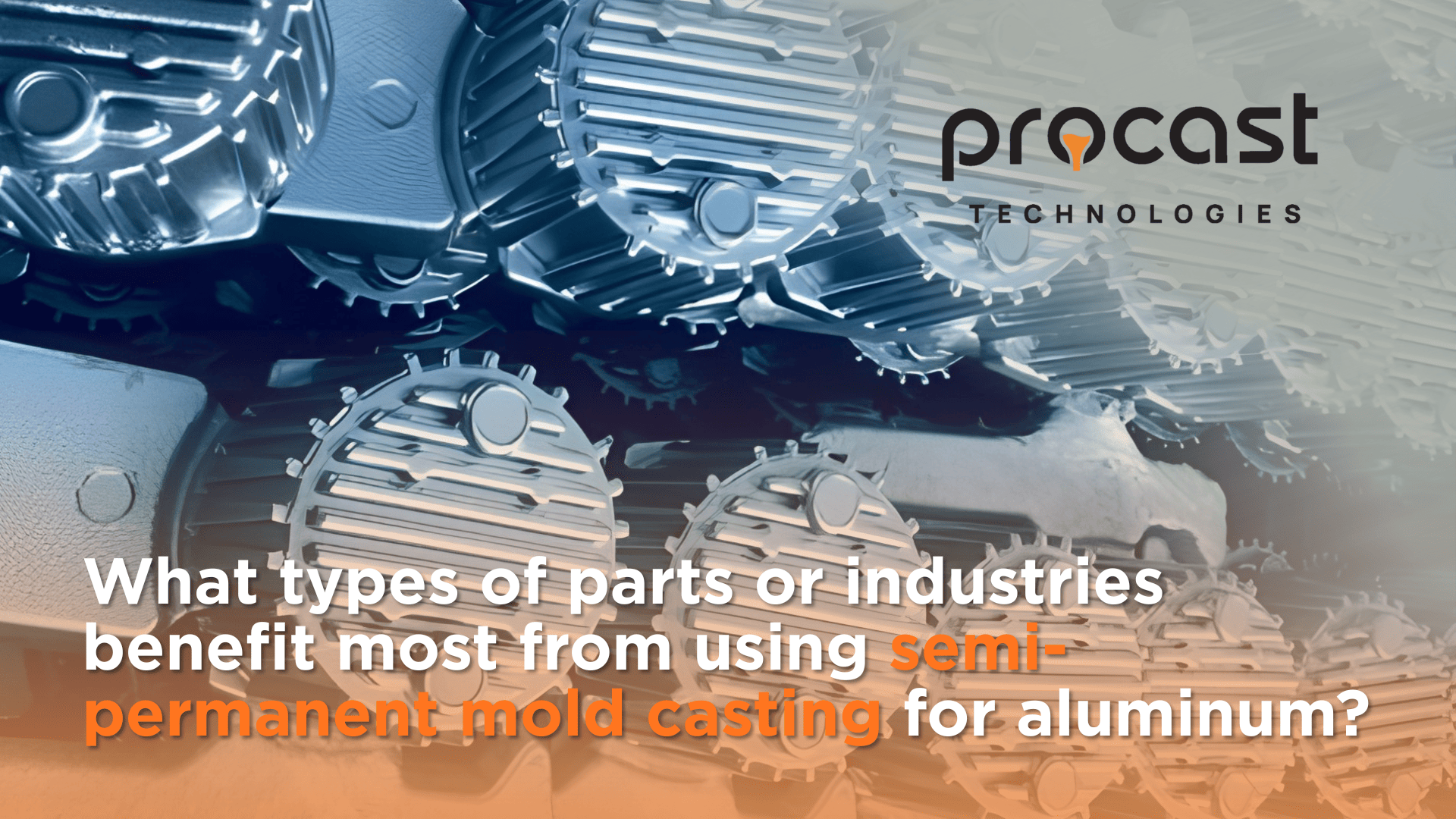
For manufacturers needing complex internal geometries, pressure containment, and precise dimensional control, semi-permanent mold casting offers a cost-effective alternative when high-pr....
What types of metals are most commonly used in semi-per...
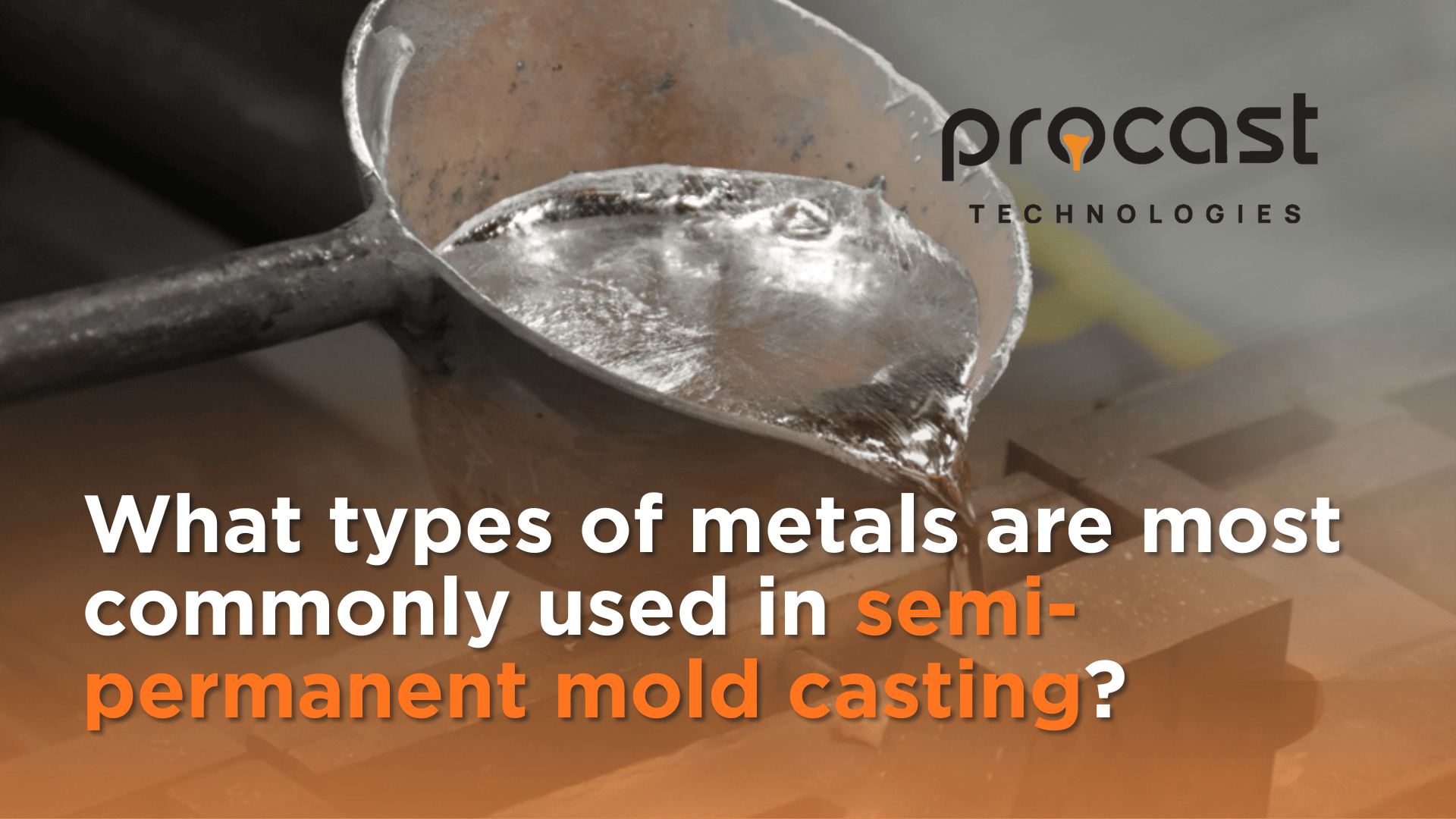
Selecting the optimal alloy is the most critical engineering choice in any semi-permanent mold casting project, as it directly influences tooling design, feeding methodology, and the attaina....
What factors most influence the overall cost of semi-pe...
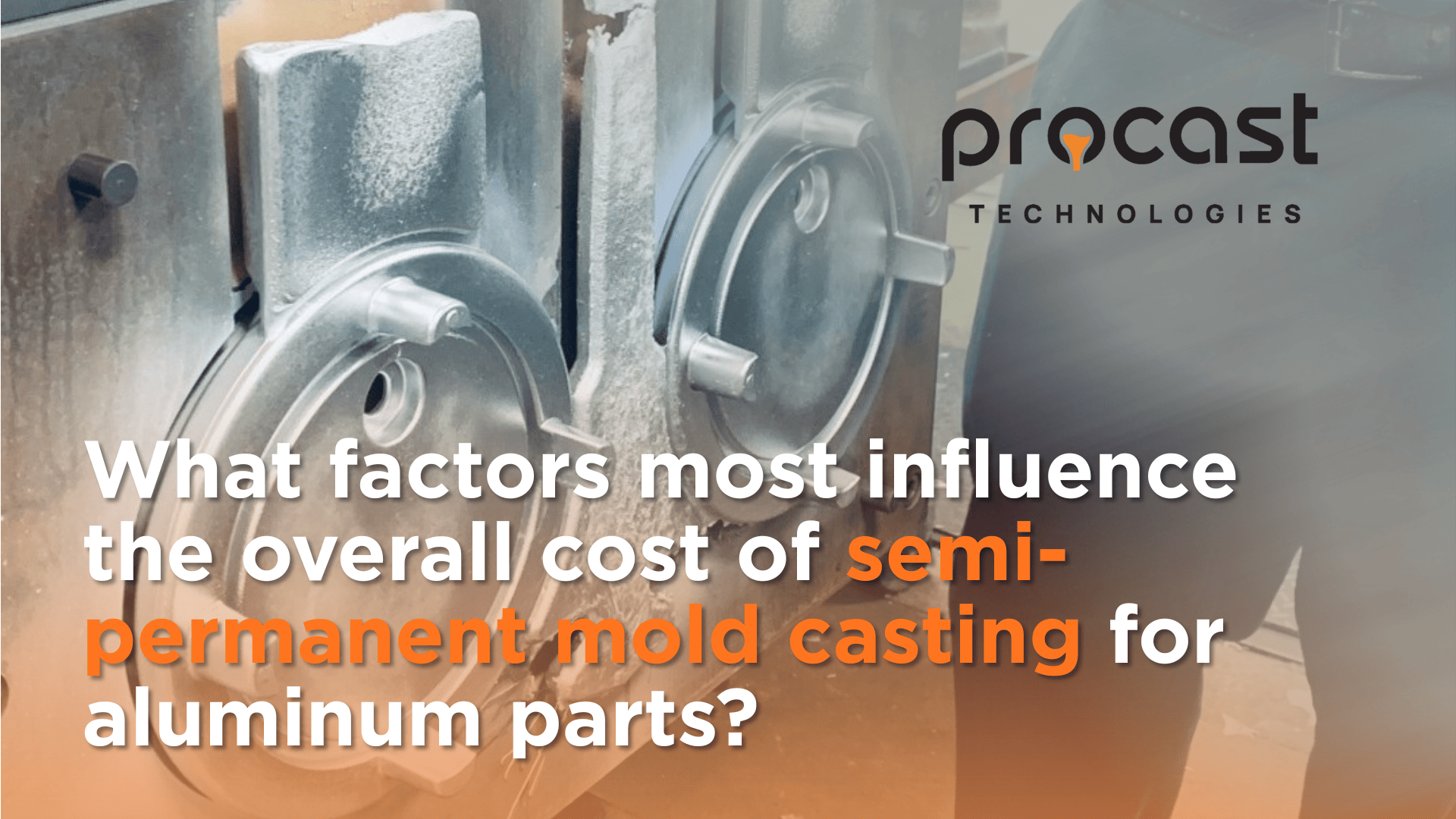
Semi-permanent mold casting for aluminum sits at the intersection of expendable sand casting and fully permanent metal mold processes, offering a unique value proposition for medium-volume i....
What are the variations of permanent mold casting?
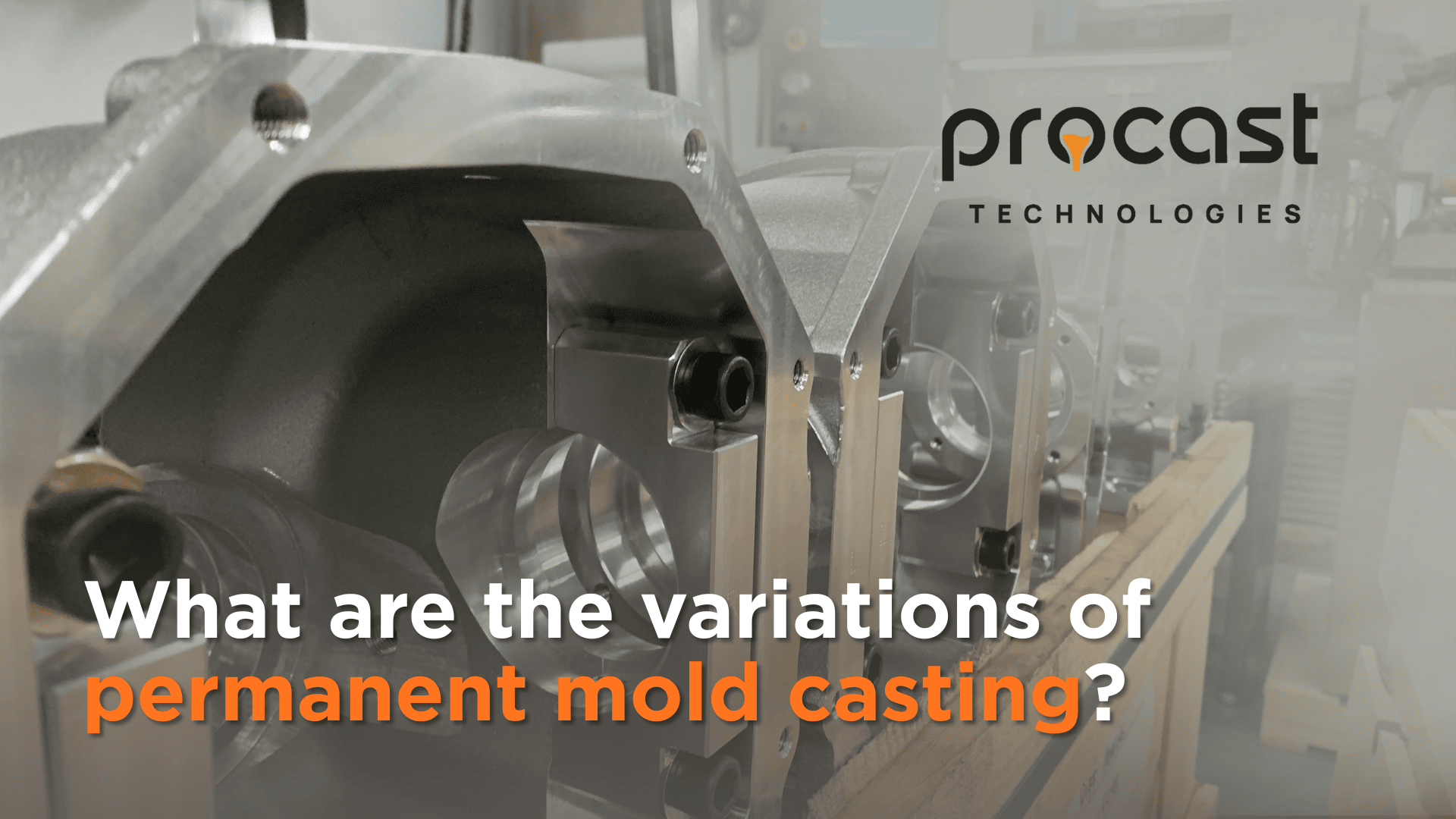
Permanent mold casting splits into different configurations: gravity, low-pressure, tilt pour, and semi-permanent. Each is defined by how molten metal enters the cavity and how the part&rsqu....
What is tilt pour casting?
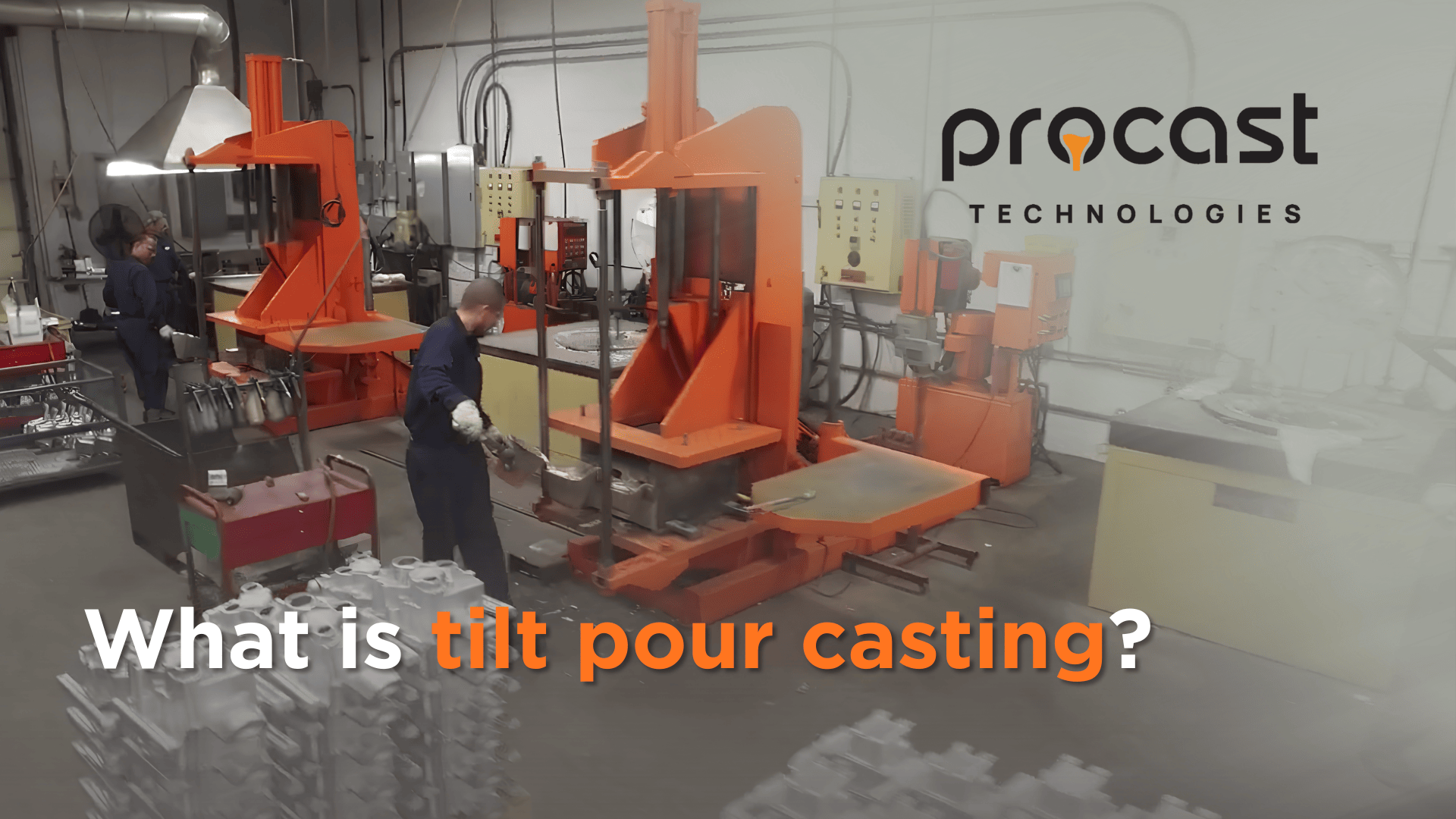
Tilt pour casting is a permanent mold process where the mold and pour basin rotate on an axis, allowing molten metal to fill the cavity by computer-controlled tilting rather than free-fall. ....
What are some of the most common defects encountered in...
The aluminum tilt pour casting process delivers precision and repeatability for medium-volume industrial work. But its advantages over static gravity pouring come with technical challenges t....
Are there any limitations or challenges associated with...
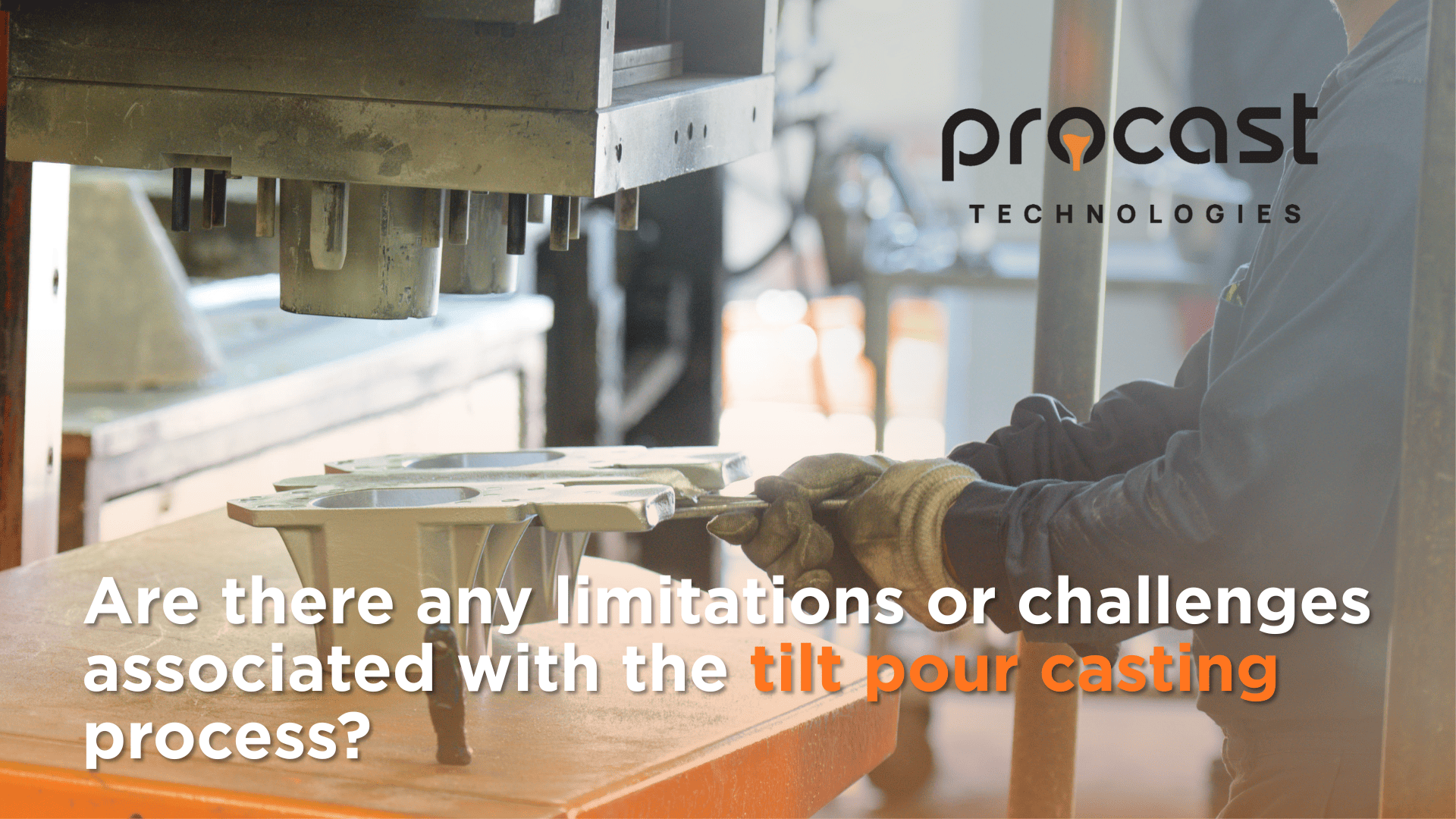
Tilt pour buys a calmer fill than static gravity pouring, and that advantage is real. But it is bought with a narrower process window, a more complex machine, and a shorter list of workable ....
Tilt Pour Casting Process
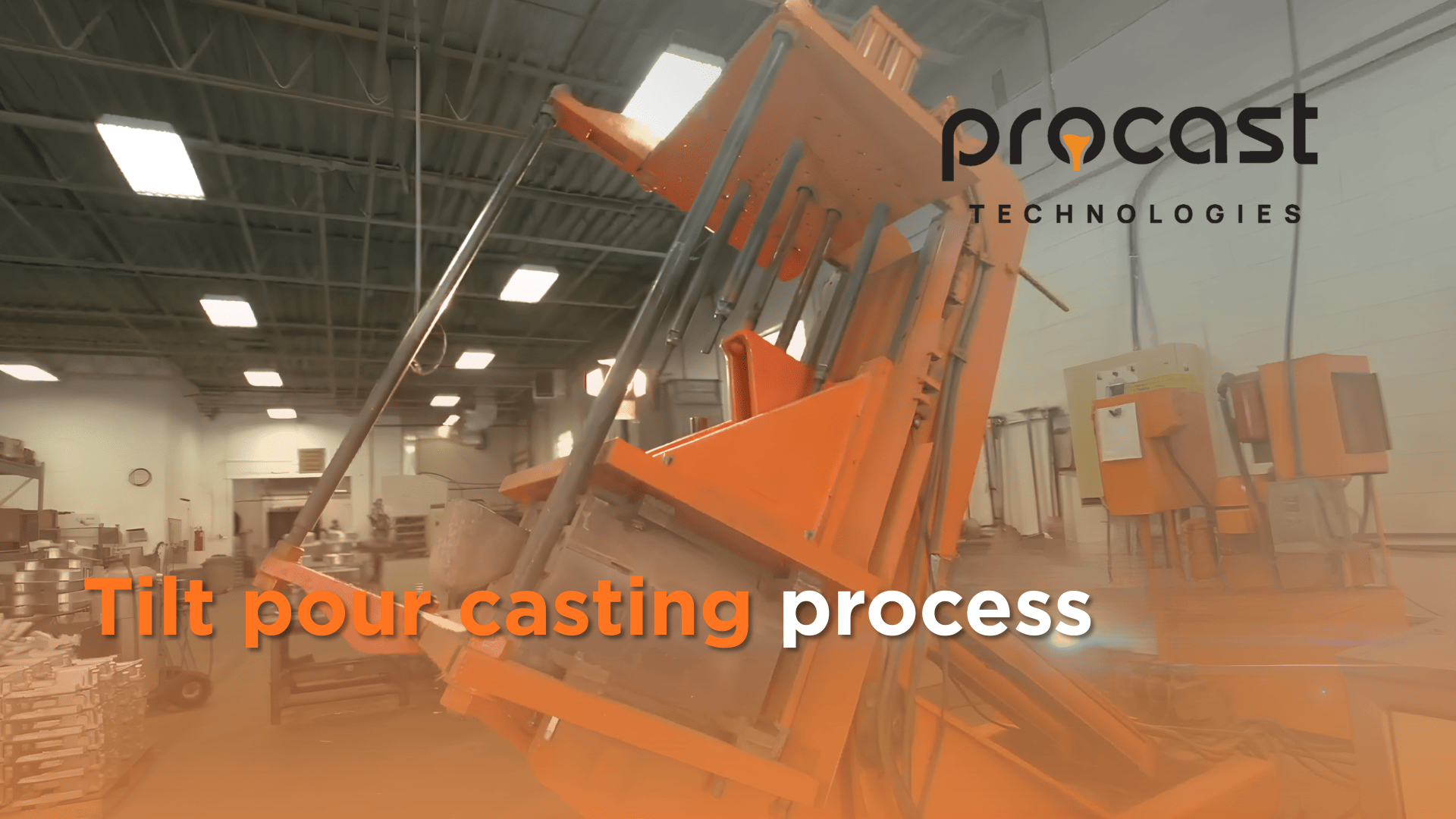
For decision-makers evaluating advanced aluminum casting solutions, the tilt-pour casting process offers a combination of engineering precision, process consistency, and cost control that is....
What are the main steps involved in the semi-permanent ...
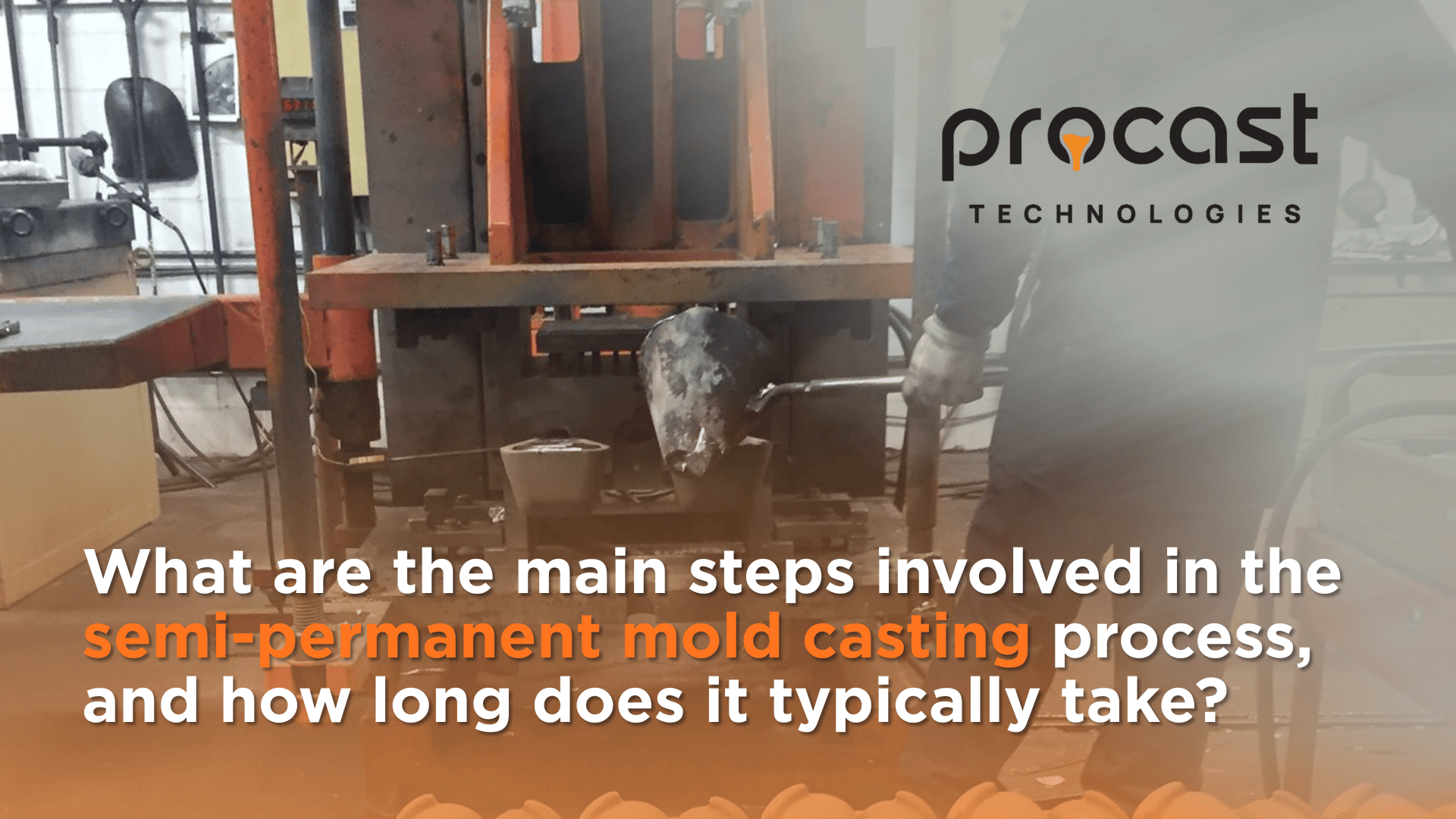
The semi-permanent mold casting process combines the precision of metal molds with the flexibility of sand cores to produce engineered aluminum components at medium volumes. The process foll....
How does the quality or durability of aluminum parts fr...
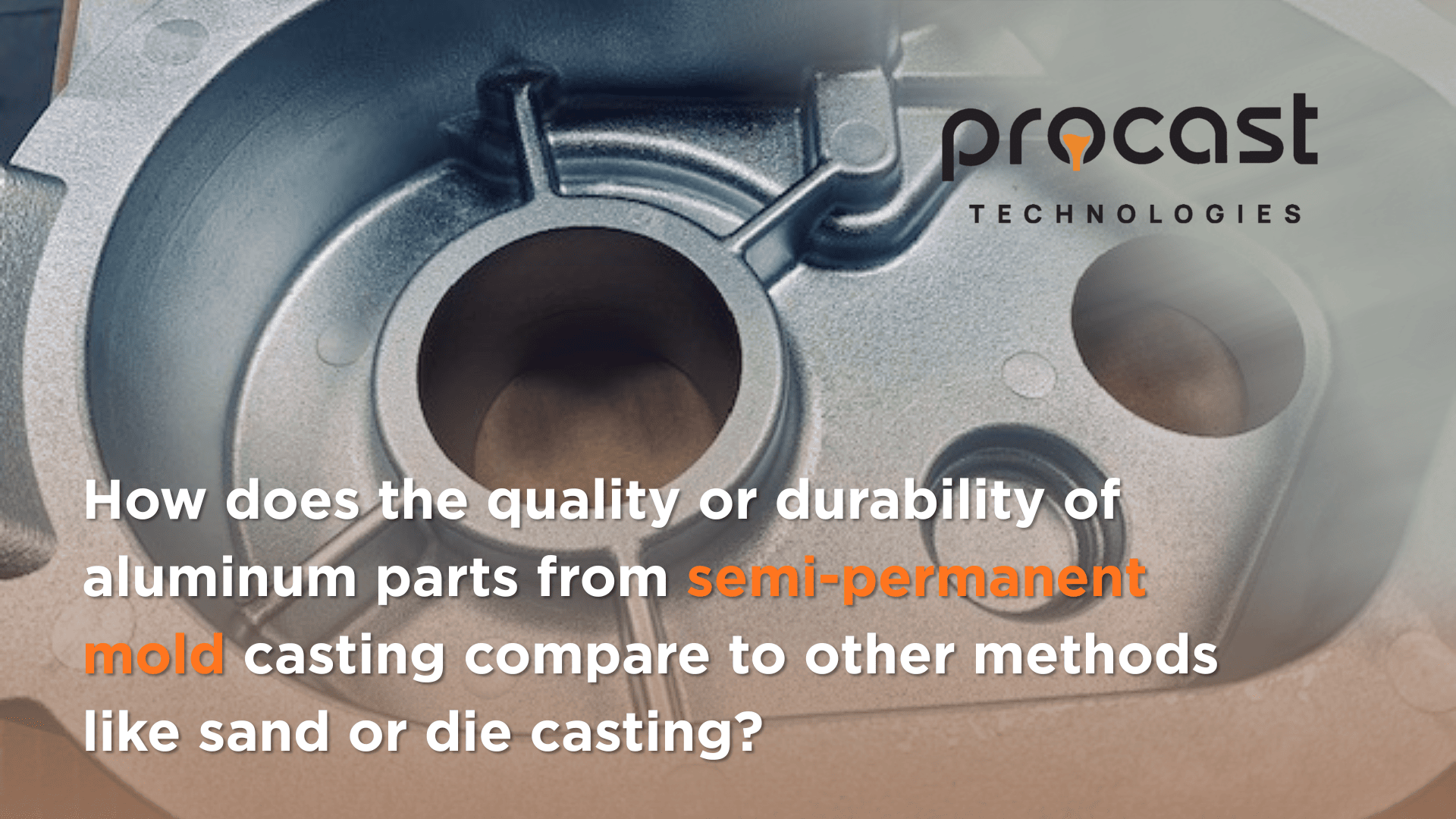
When evaluating aluminum casting options, industrial buyers face a complex decision matrix balancing cost, part complexity, durability, and production volume. Understanding the fundamental d....
Are there specific design limitations or considerations...
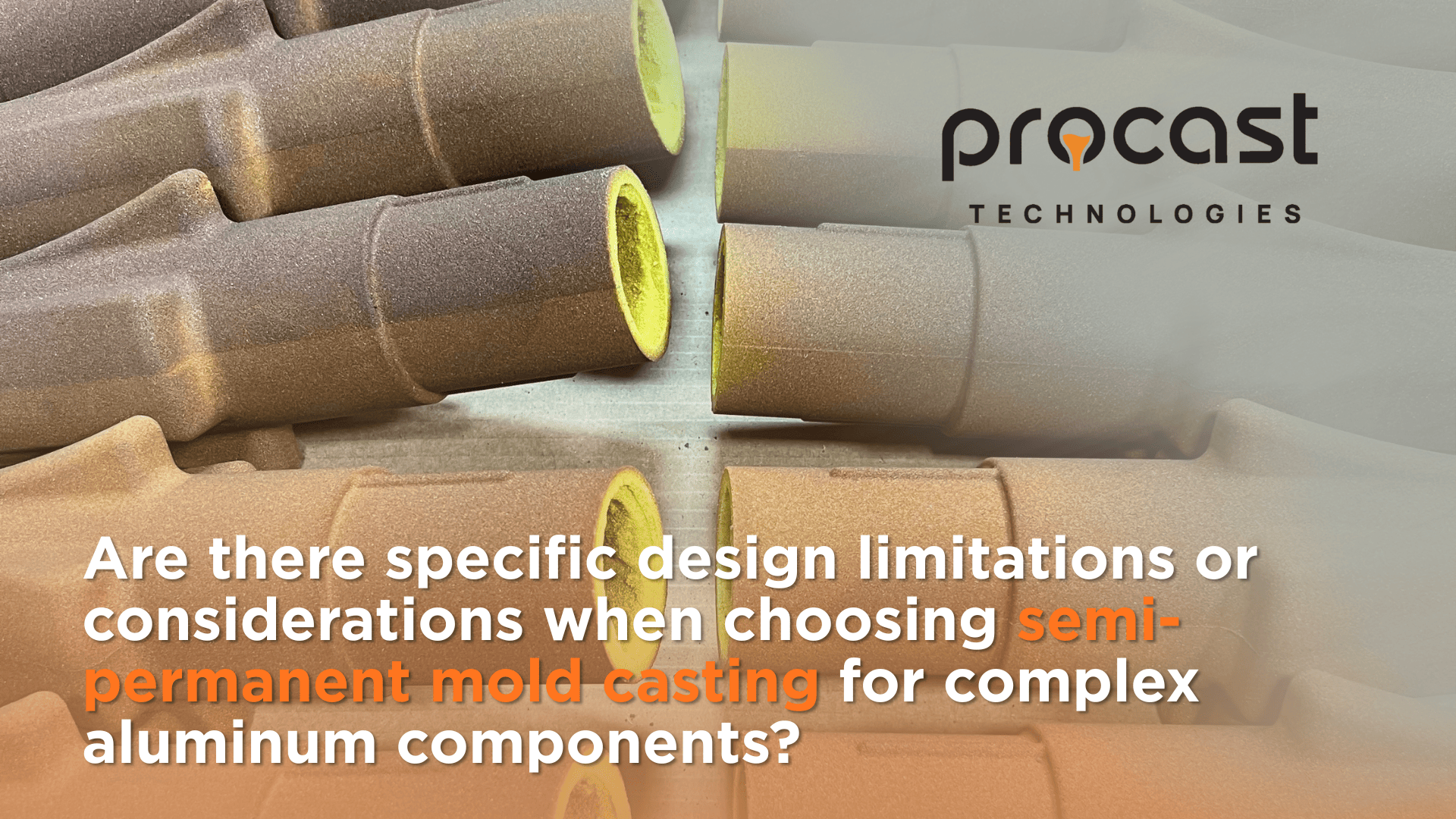
Complex aluminum components frequently arrive at the foundry carrying internal geometry that a rigid steel cavity alone cannot draw — precisely the condition where the hybrid tooling o....
The Semi-Permanent Mold Casting Process
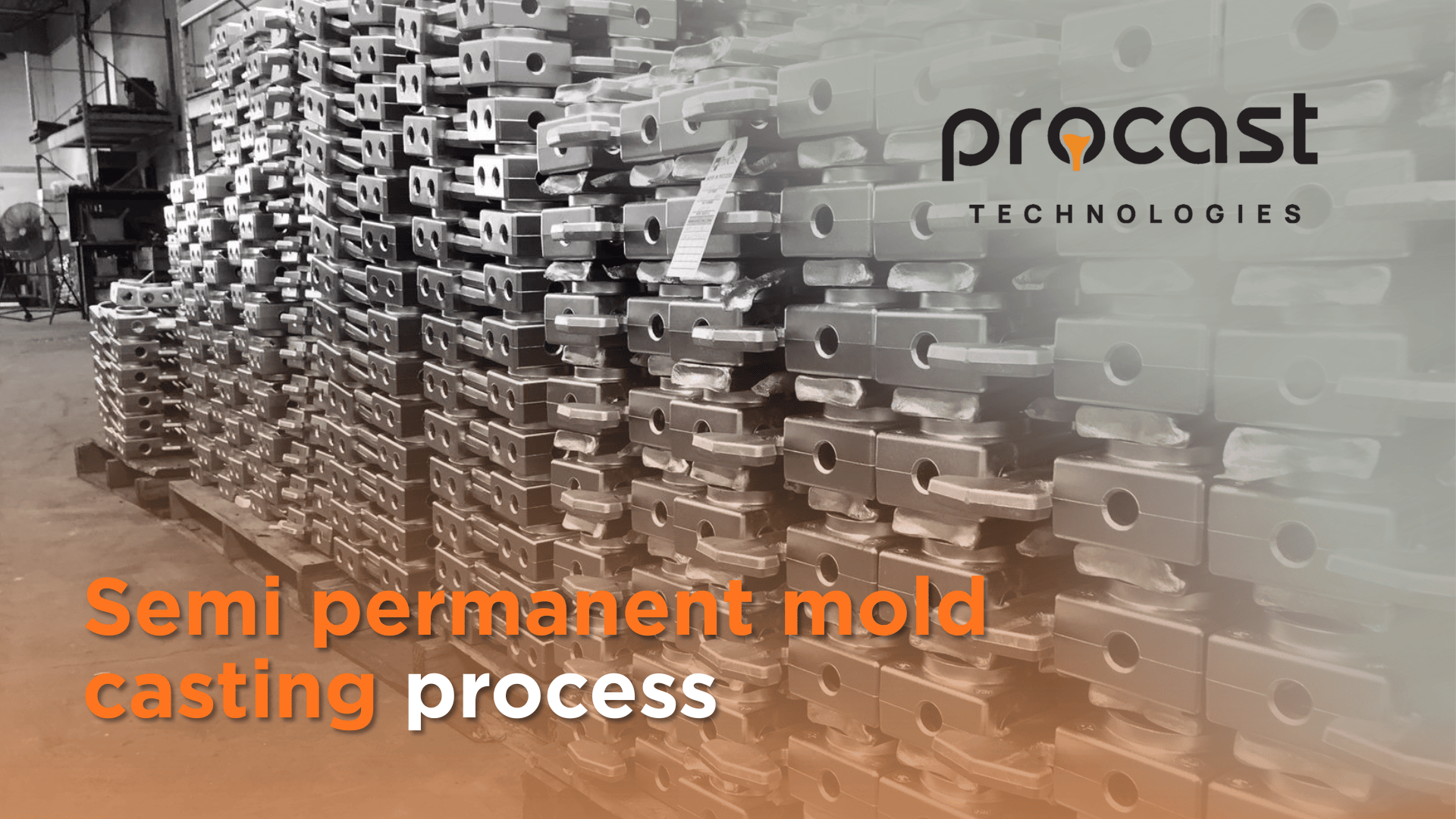
The semi-permanent mold casting process bridges the gap between the precision of reusable steel cavities and the geometric flexibility of expendable cores. Unlike fully permanent molds, whic....
What are the main challenges or limitations associated ...
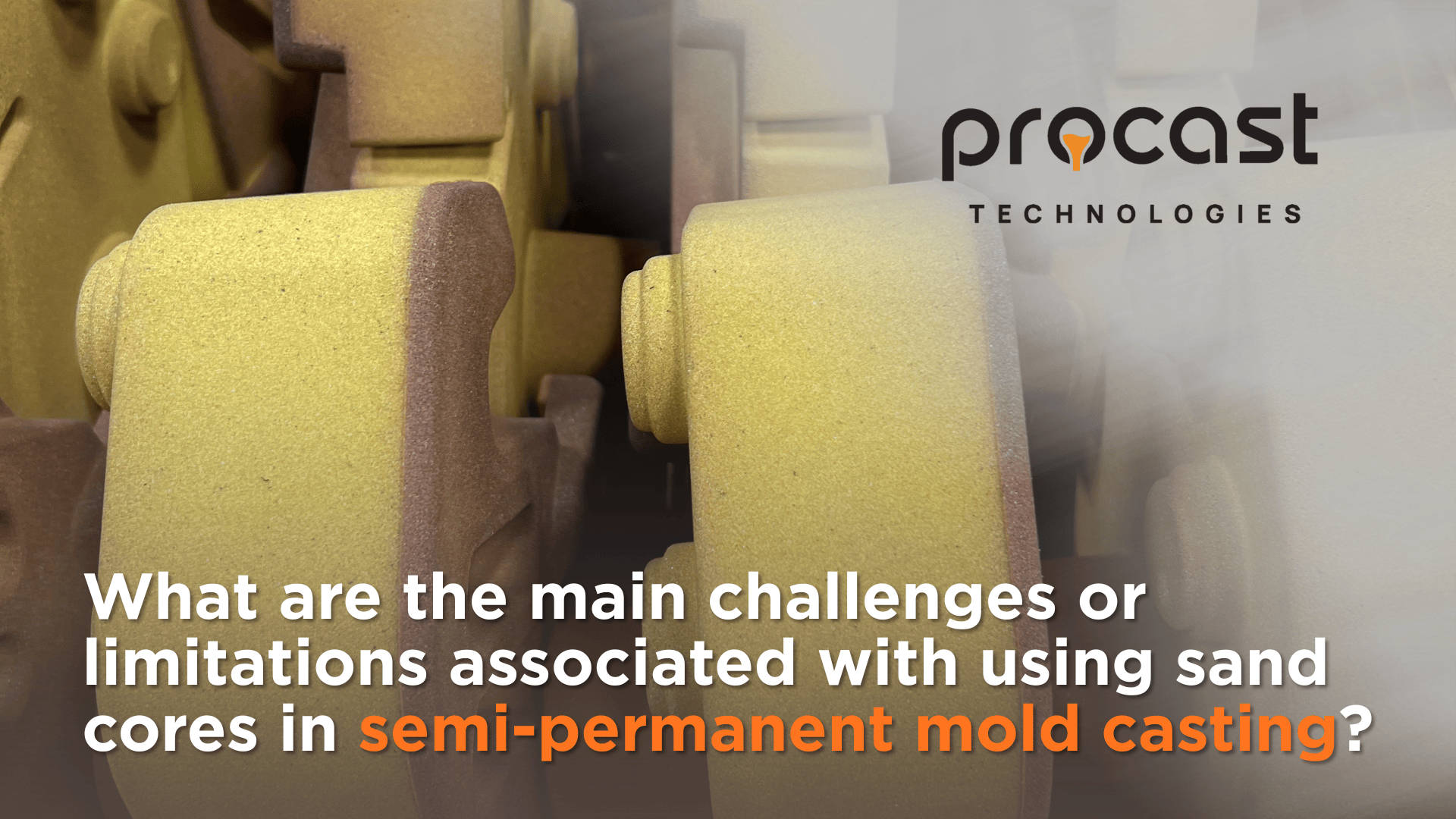
Semi-permanent mold casting solves a problem that fully permanent tooling cannot: it produces enclosed internal passages and negative-draft features inside an otherwise rigid metal die. It d....
How does the surface finish and dimensional accuracy of...
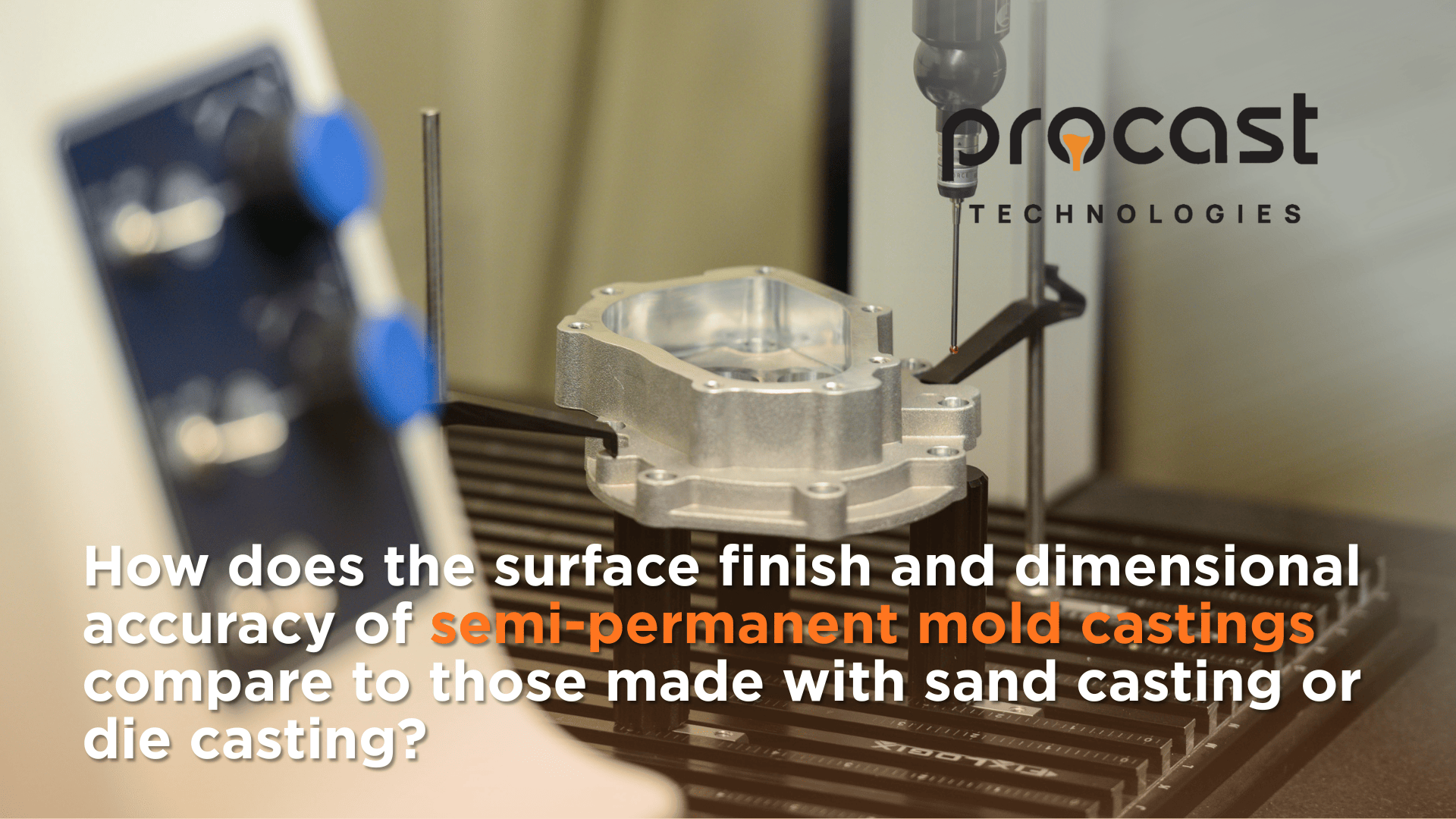
Specifying a casting process begins with two measurable questions: how smooth the as-cast surface will be, and how tightly the geometry can be held across a full production run. Semi-permane....
How does the quality of parts produced by semi-permanen...
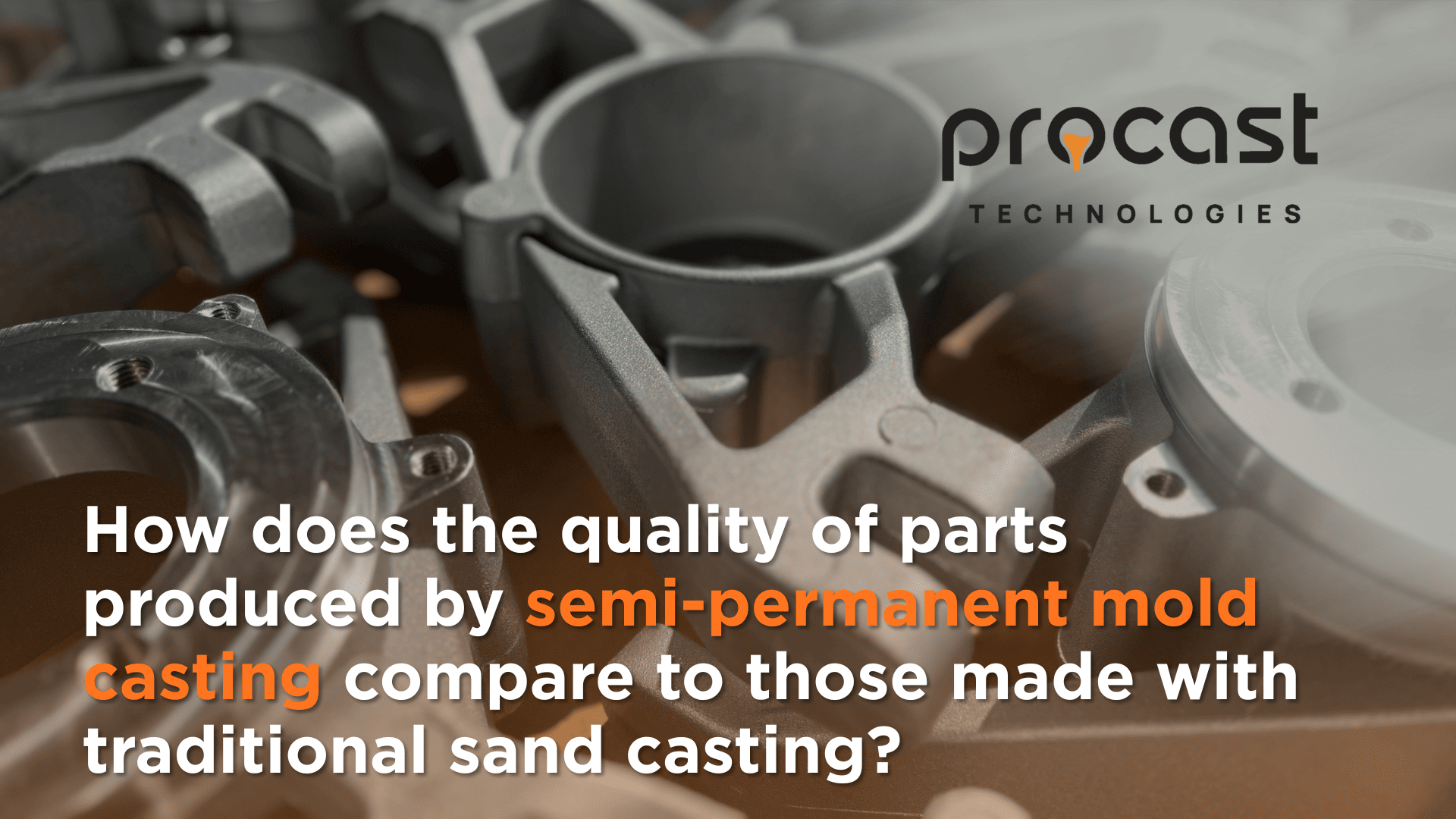
A sand-cast aluminum component rejected for low density or marginal tensile numbers reveals a fundamental truth: the culprit is rarely the alloy specification; rather, it is the boundary tha....
Semi-Permanent Mold Casting: Process, Benefits & A...
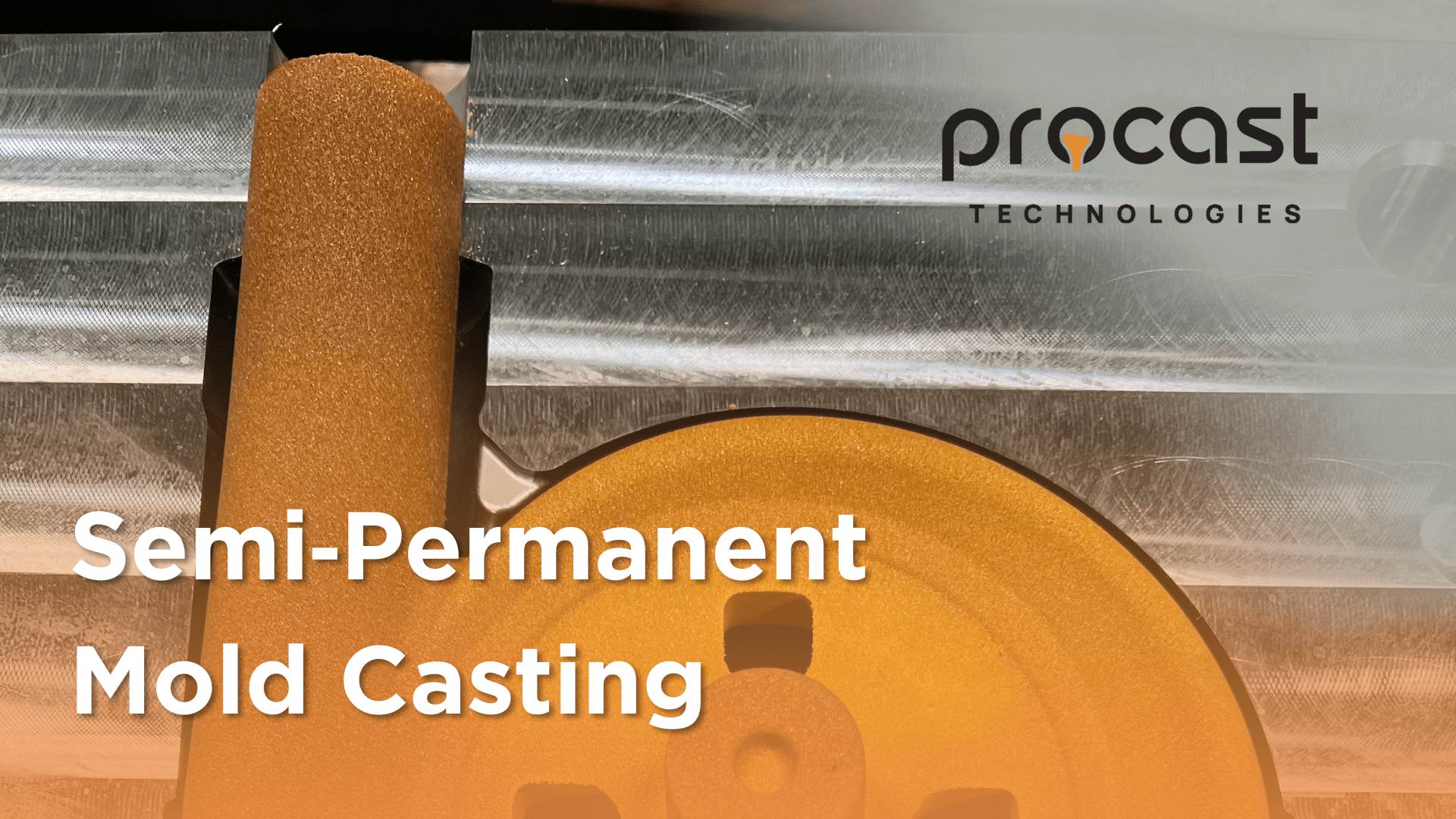
Semi-permanent mold casting occupies a position that neither fully expendable nor fully permanent processes can satisfy alone. It combines a reusable metal mold cavity with expendable sa....
What is permanent mold casting used for?
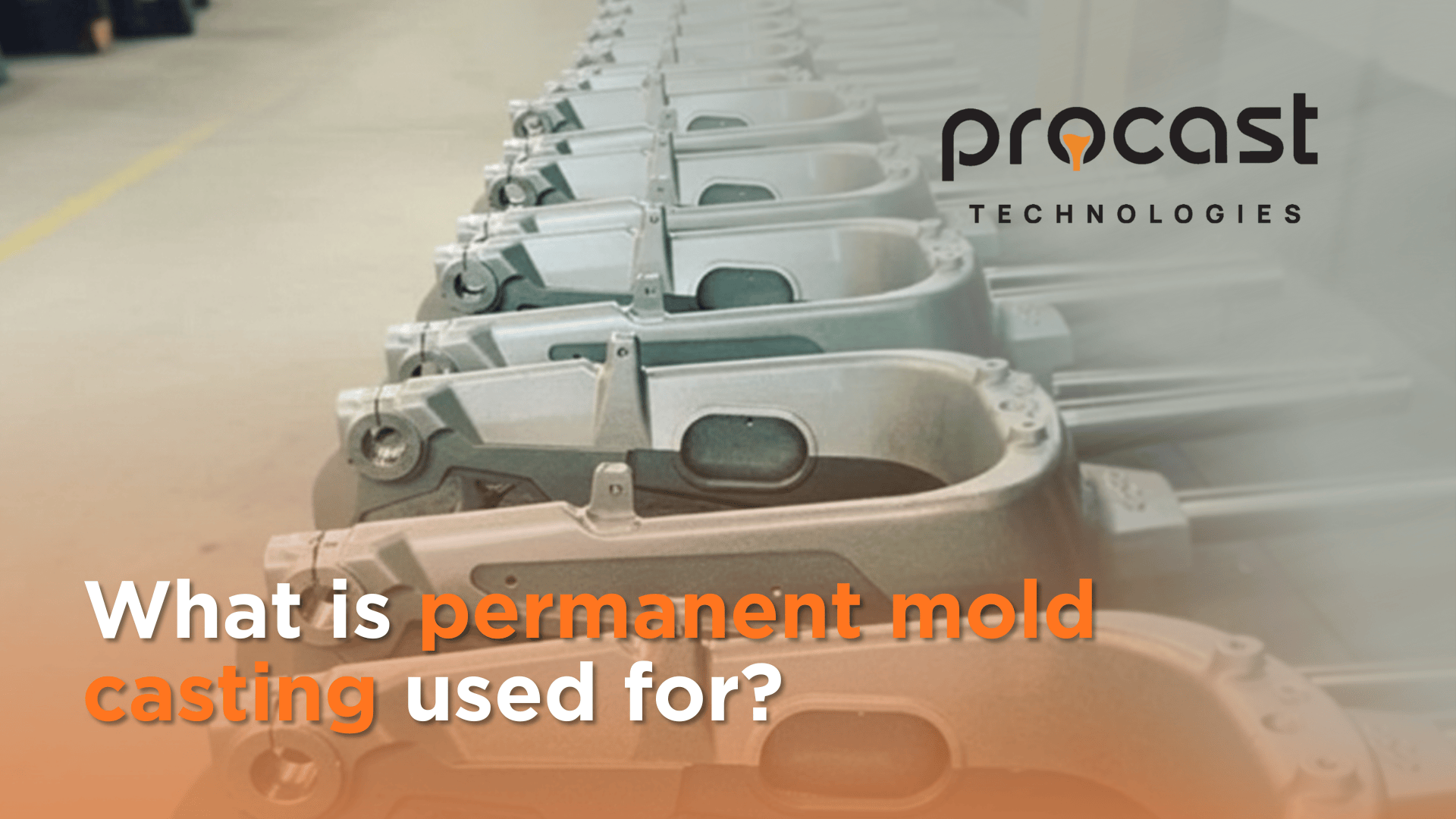
Permanent mold casting is a versatile manufacturing technique used primarily to produce components that require excellent consistency and mechanical properties. It relies on reusable met....
What are the applications of permanent mold casting?
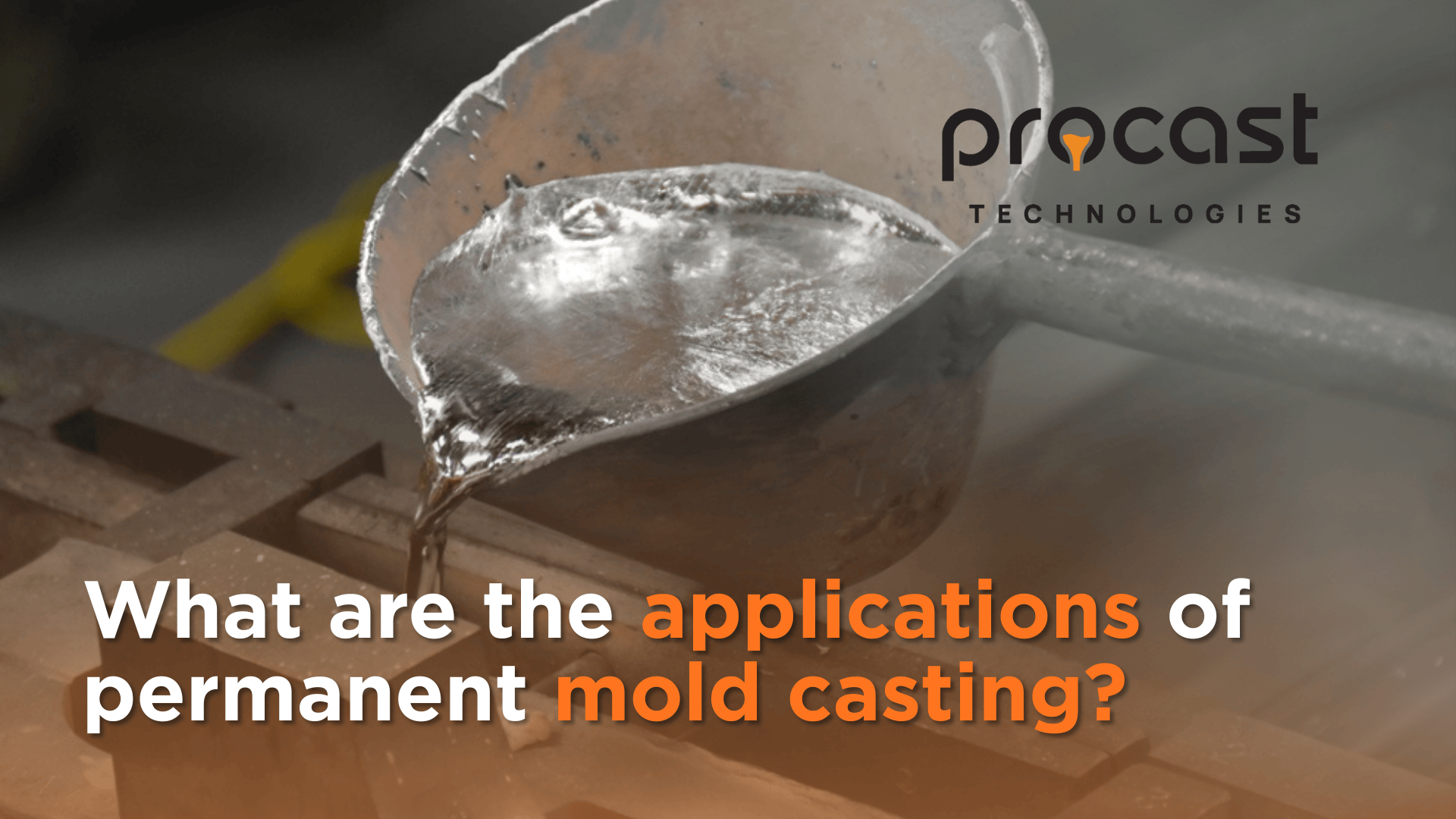
Permanent mold casting is a highly efficient and versatile manufacturing process that has gained traction across various industries. By utilizing durable, reusable molds, this casting te....
Permanent mold casting applications
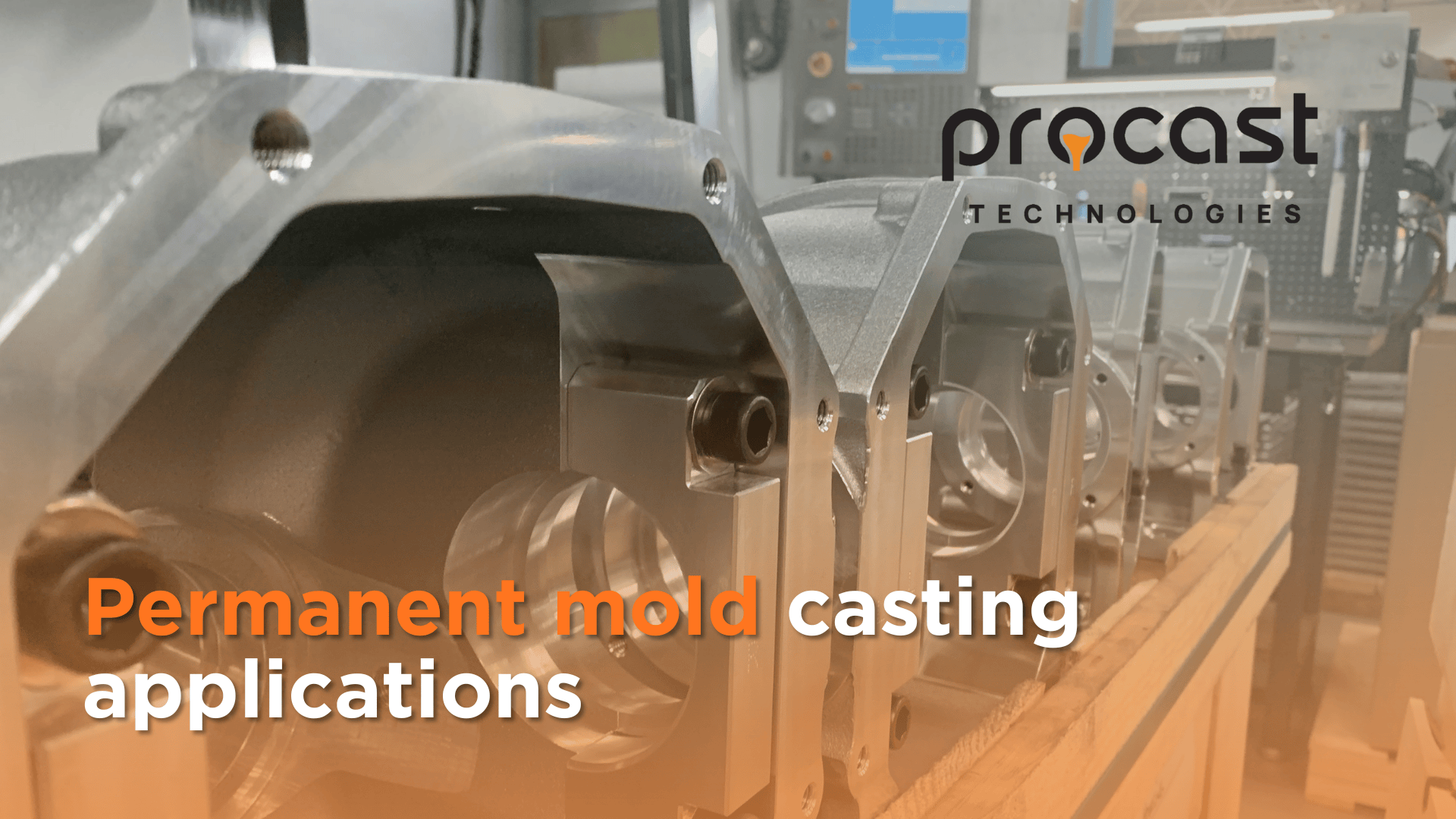
Permanent mold casting is a manufacturing process utilized across numerous industries. This essential technique relies on reusable metallic molds to efficiently produce components of hig....
What are the Advantages and Disadvantages of the Perman...
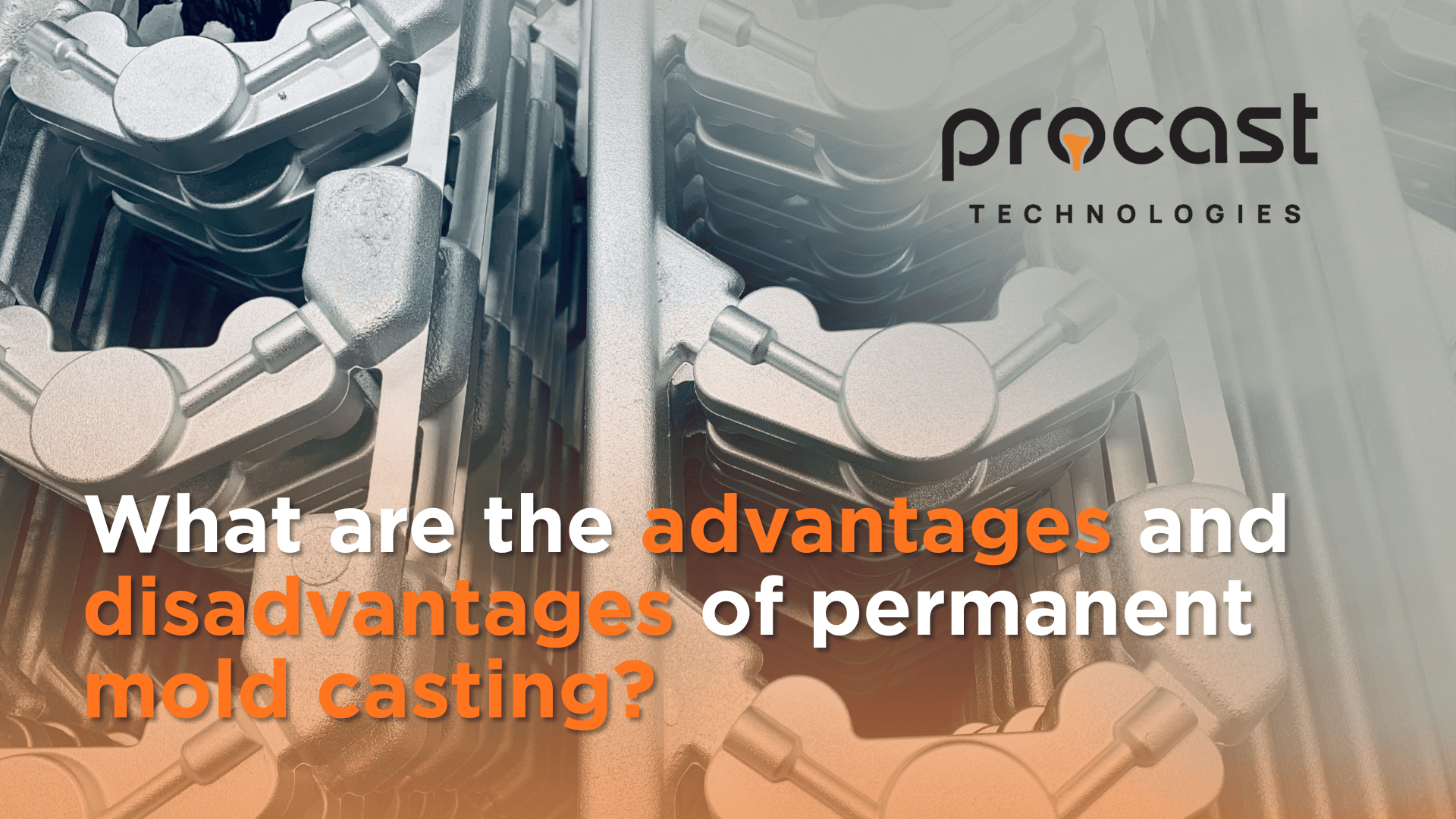
In the world of manufacturing, choosing the right casting method is crucial for achieving precision and quality, with both its advantages and disadvantages playing key roles in the decis....
Is sand casting better than permanent mold casting?
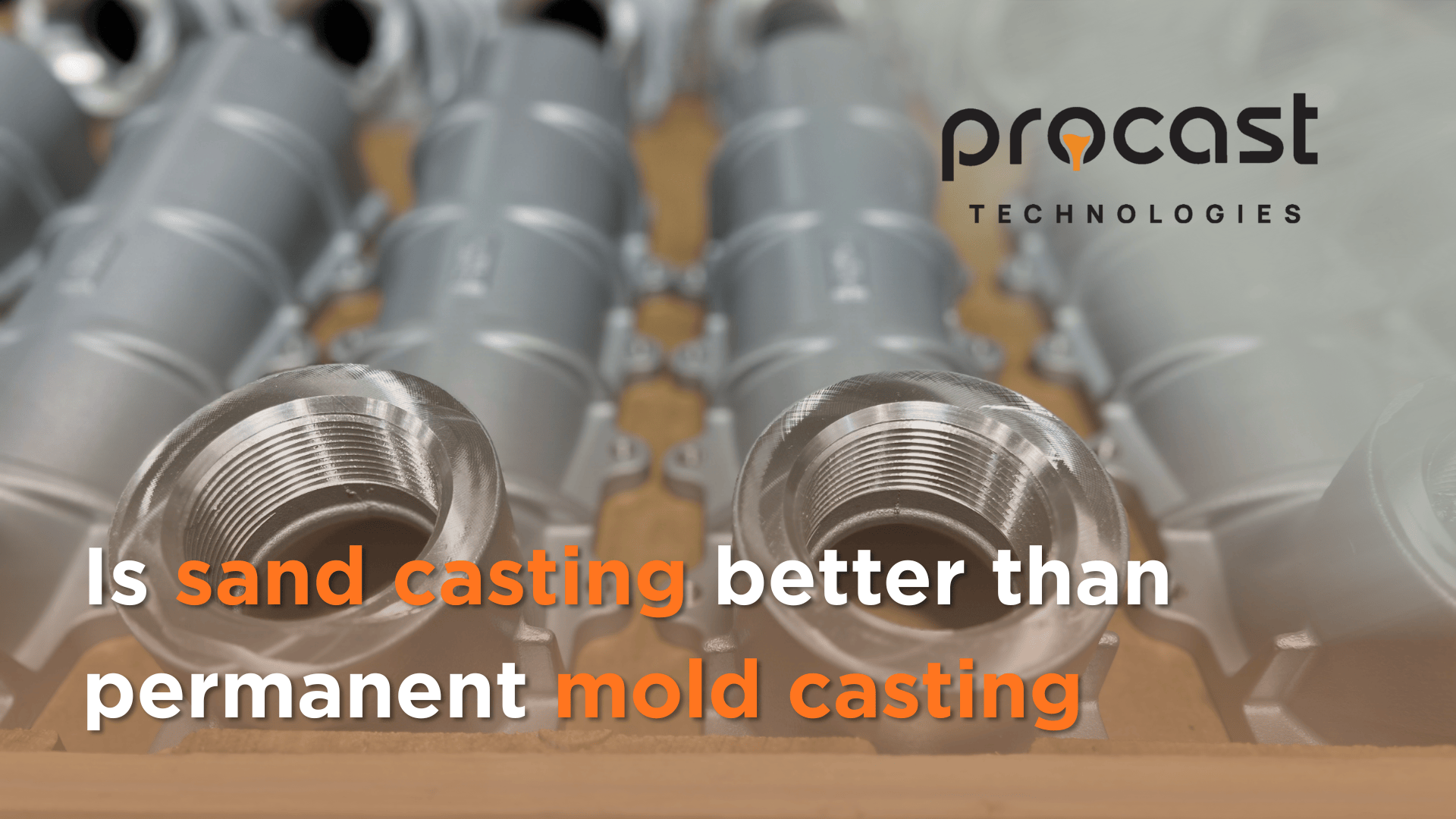
The choice between sand casting and permanent mold casting is a key decision when evaluating manufacturing methods for metal components. Factors such as production volume, part complexit....
How to make aluminum casting molds?
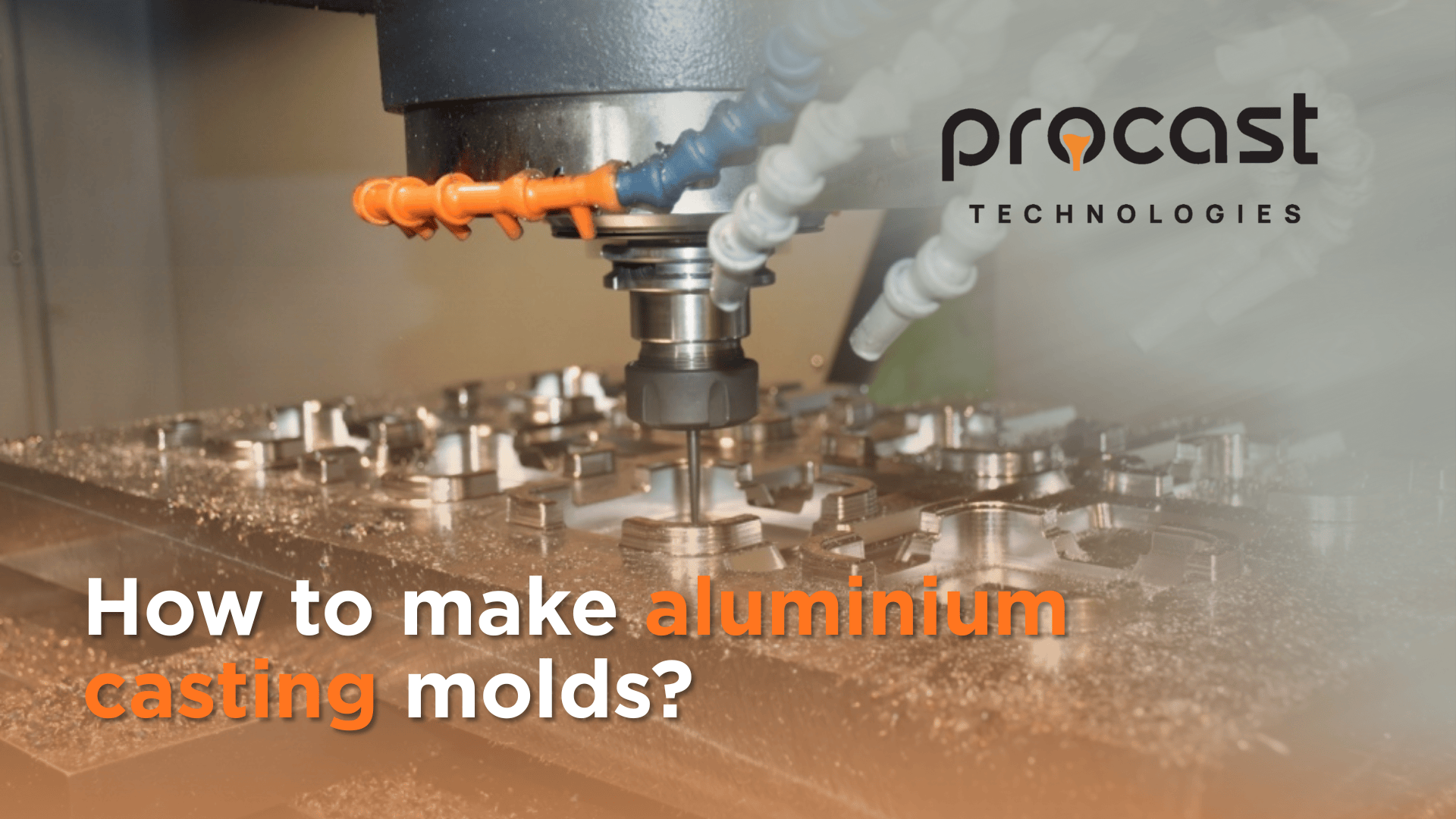
Mastering high-quality mold creation is essential for achieving precision and repeatability in aluminum casting. The choice between mold types determines the efficiency, accuracy, and ....
Permanent Mold Casting Advantages and Disadvantages
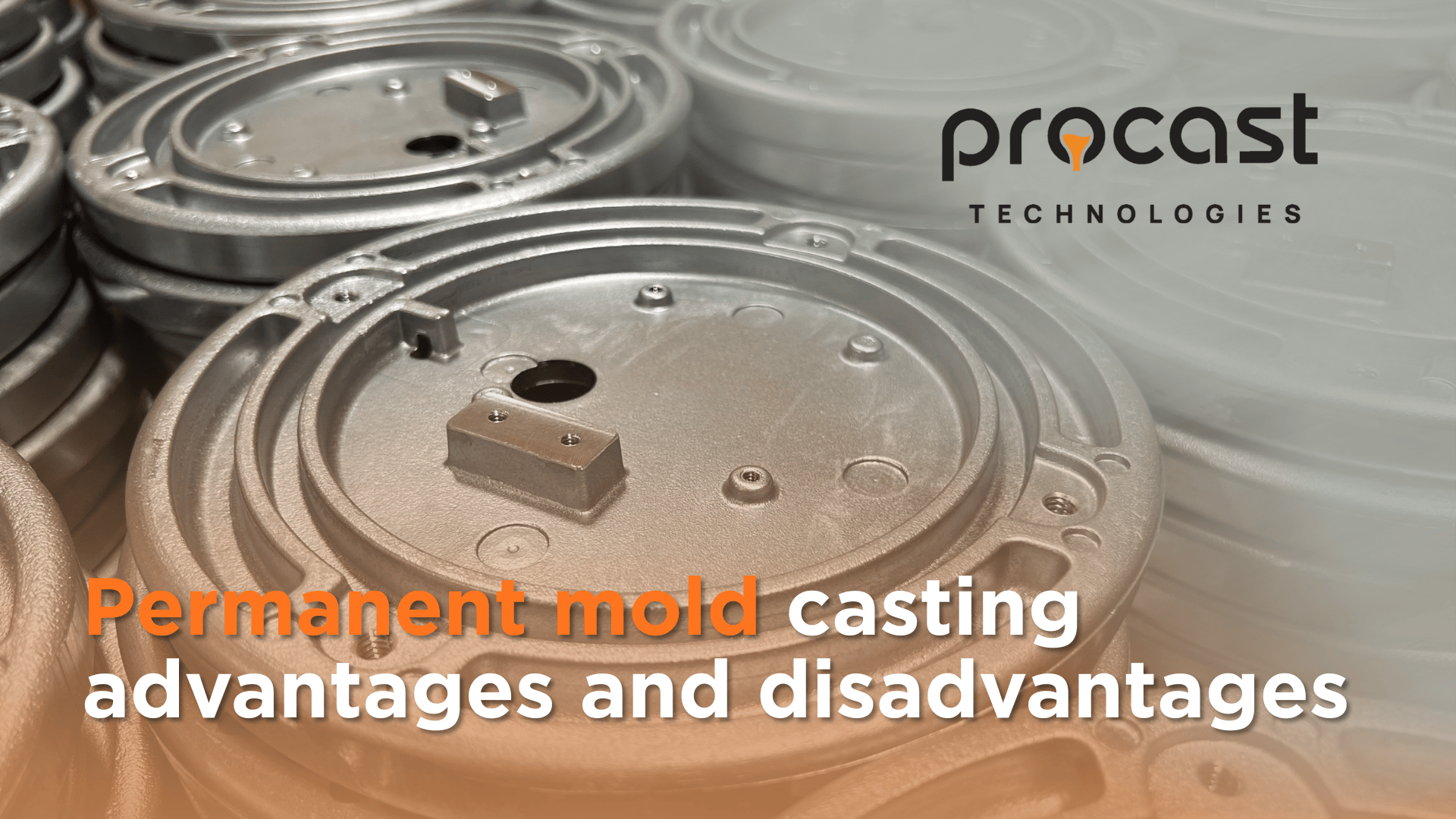
In the realm of aluminum casting, permanent mold aluminum casting stands out for its efficiency and precision. It combines the benefits of traditional casting with modern technology, makin....
What Type of Aluminum is Best for Permanent Mold Castin...
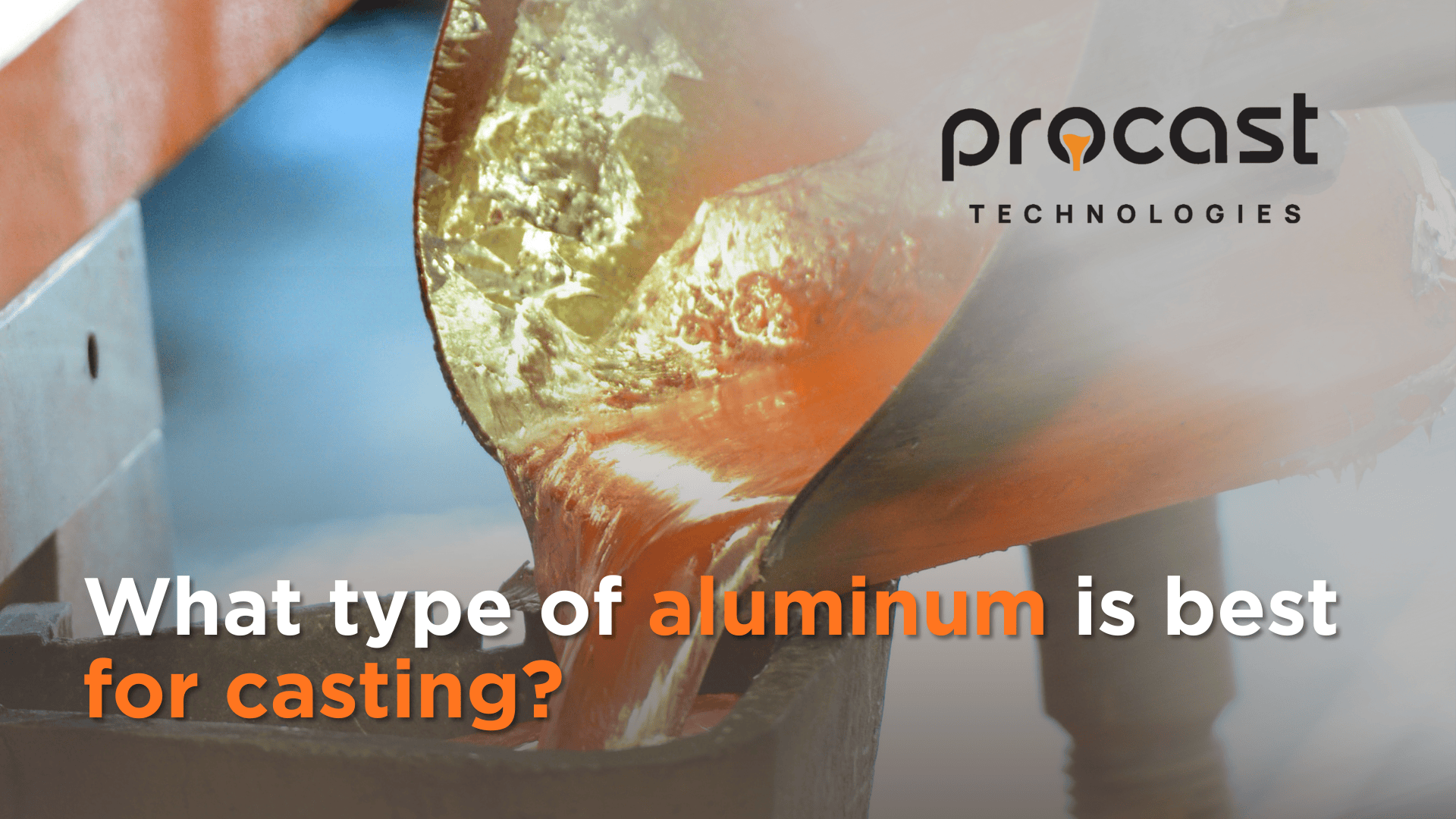
When it comes to permanent mold aluminum casting, the choice of alloy plays a crucial role in determining both the quality and performance of the final product. Understanding the....
What are the tolerances for permanent mold castings?
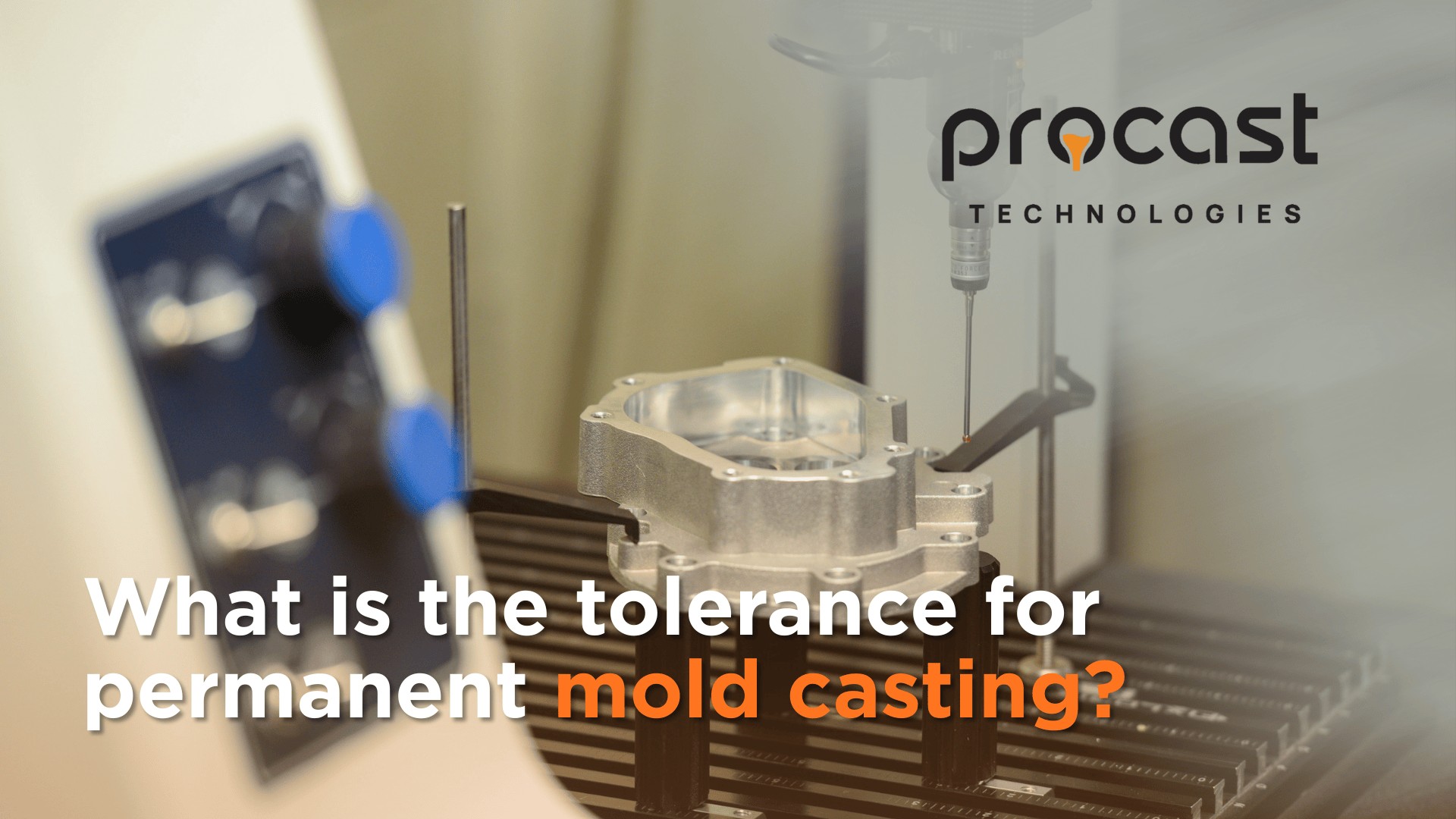
Dimensional precision in metal components is essential for ensuring successful manufacturing processes and product reliability. When working especially with custom aluminum components, the a....
The Permanent Mold Process: Advantages and Disadvantage...
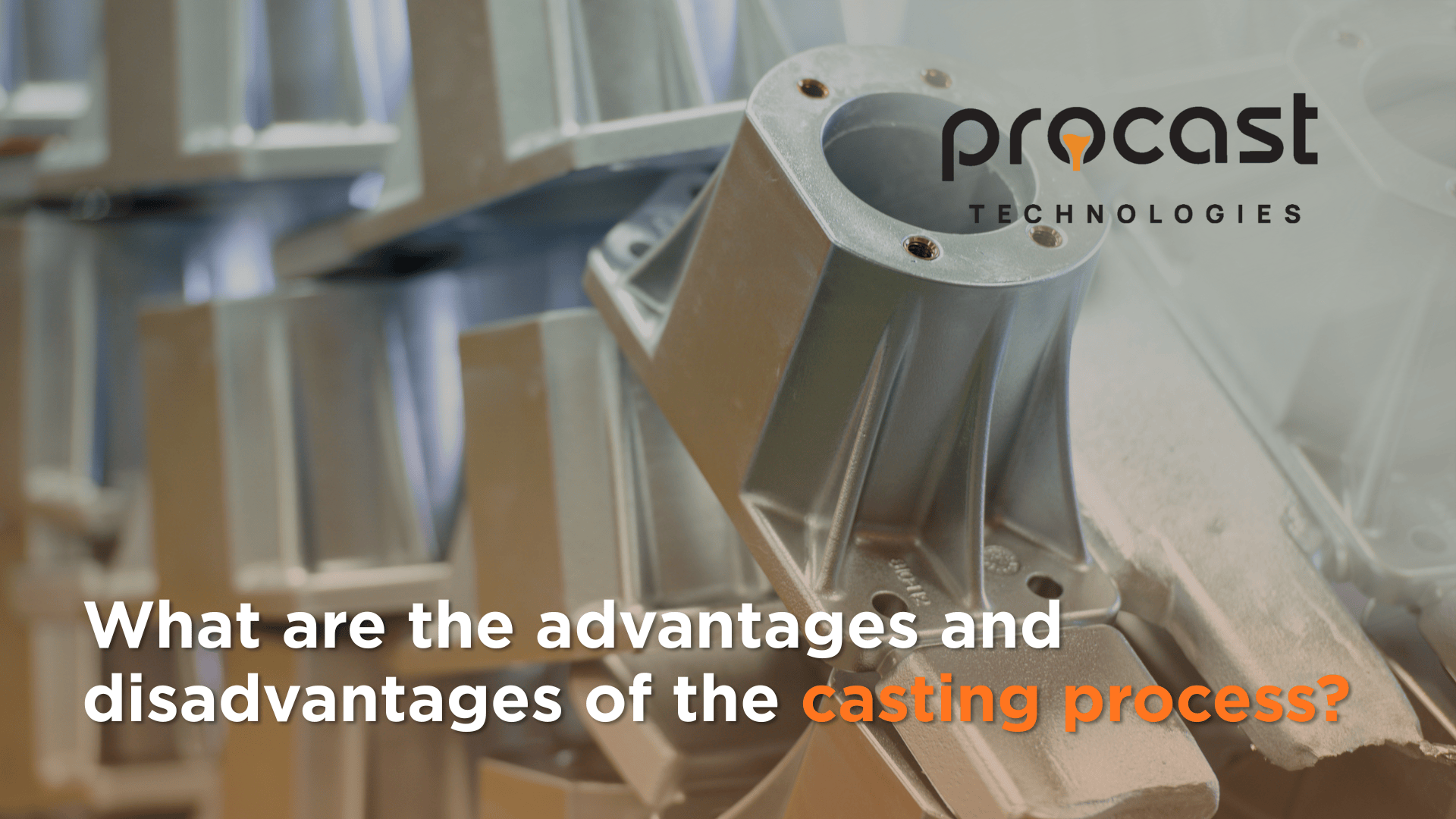
The casting process is a fundamental manufacturing technique that enables the creation of complex, high-precision components. Understanding the advantages and disadvantages of the casting ....
Permanent Mold Aluminum Casting
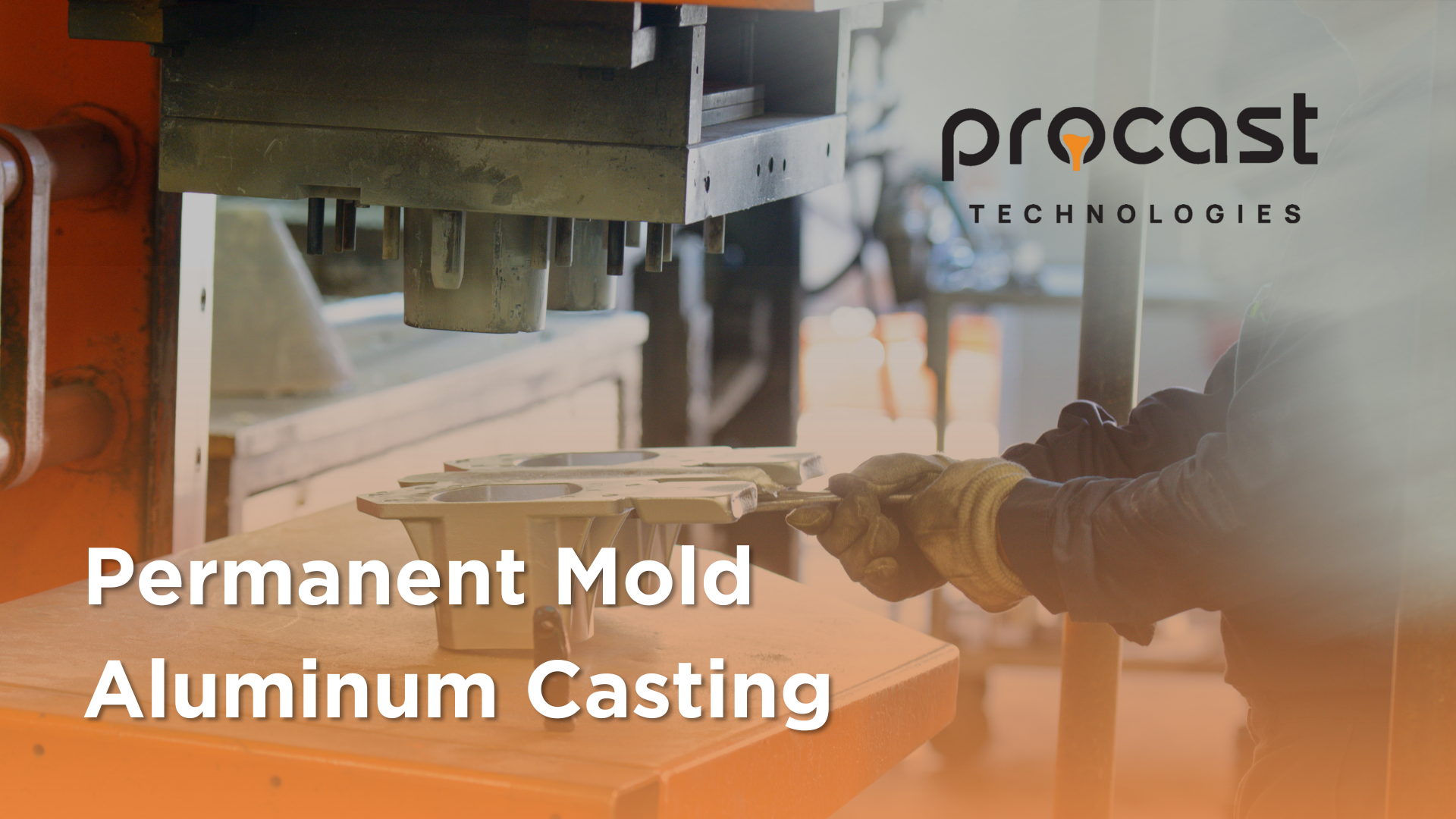
Permanent Mold Aluminum Casting Permanent mold aluminum casting is a pivotal process in the manufacturing sector, known for its precision and efficiency. It utilizes reusable mold....
What are the limitations of permanent mold casting?
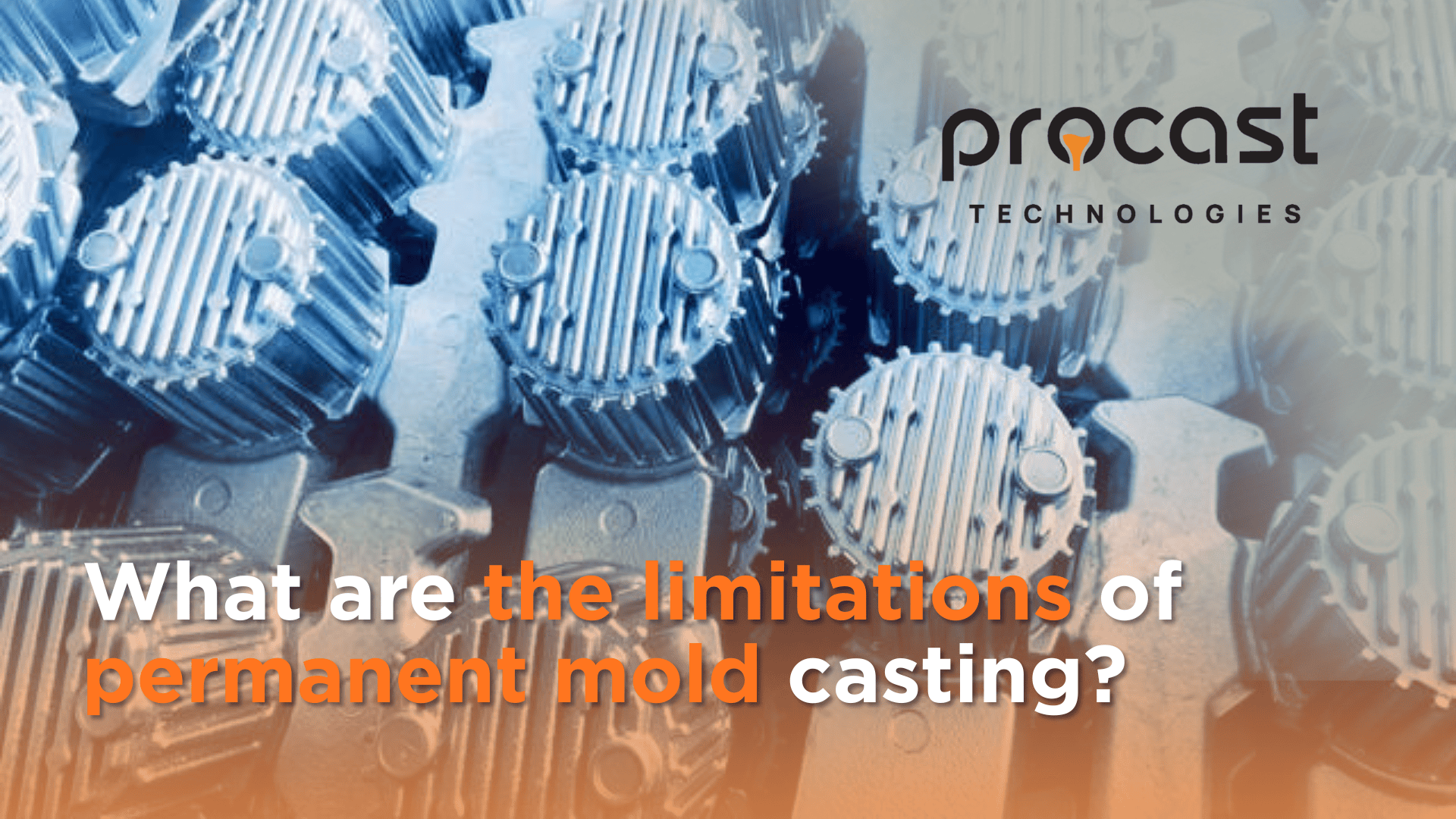
Permanent mold casting is a metal forming process known for producing components with exceptional quality and consistency, but it comes with specific constraints that limit its universal a....
What are some attractive features of the permanent mold...
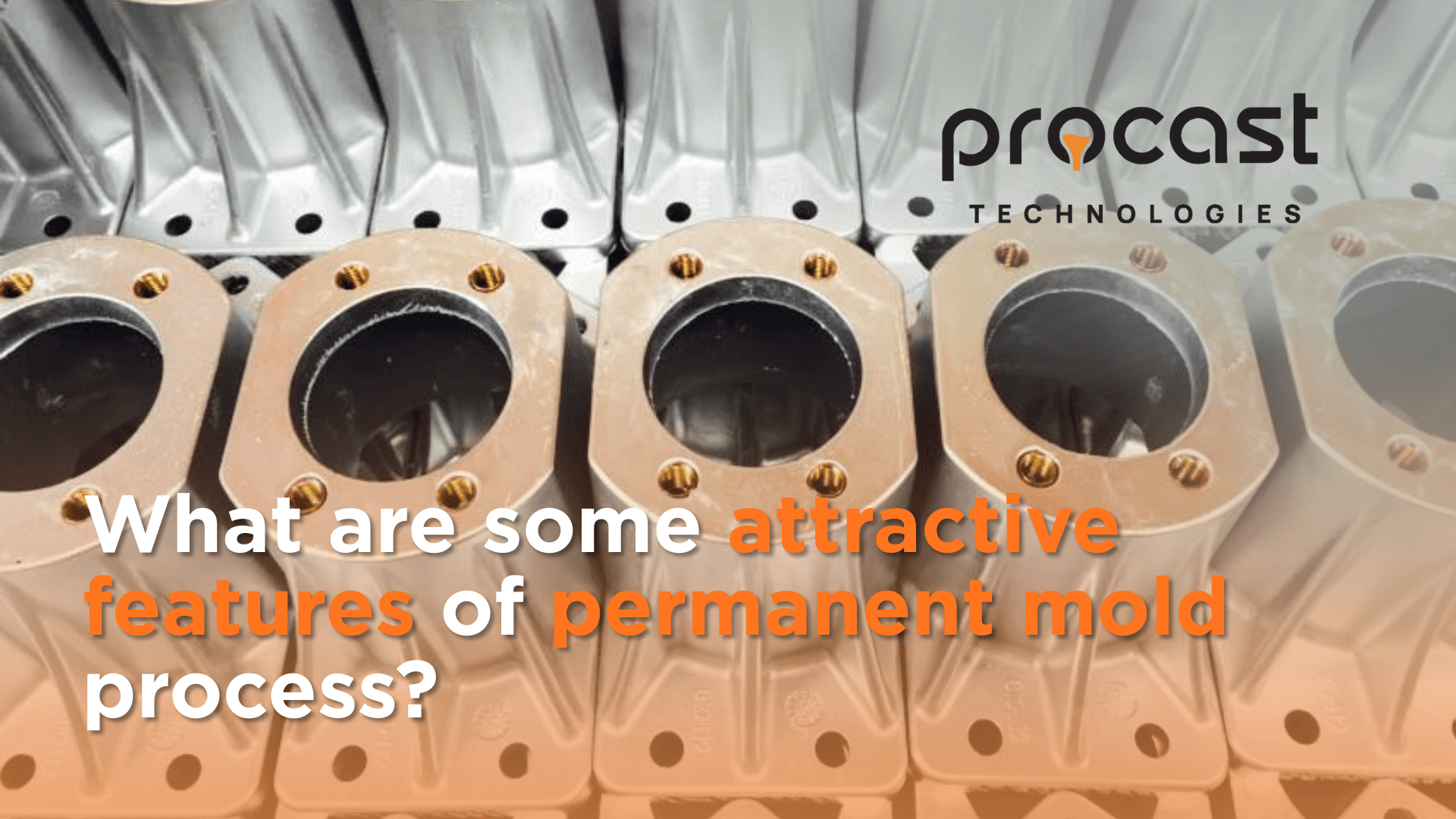
Permanent mold casting is a manufacturing solution engineered to maximize the quality and consistency of aluminum components. This method addresses many inherent defects found in tradition....
What is the difference between Pressure die-casting and...
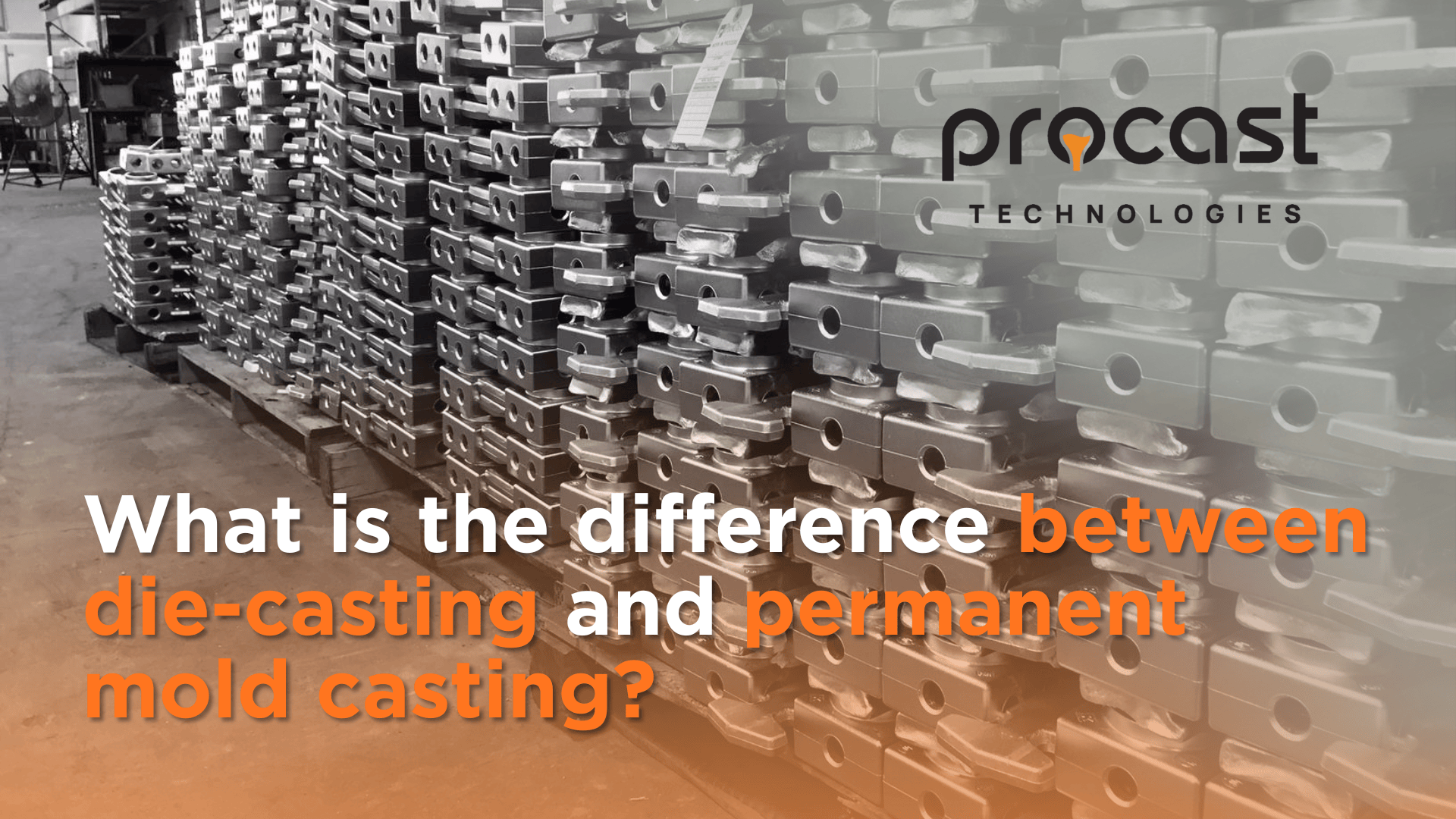
In the manufacturing world, particularly for producing metal parts with repeatable precision, permanent mold casting and die casting are two highly utilized techniques. While both methods ....
Permanent Mold Casting vs Die Casting
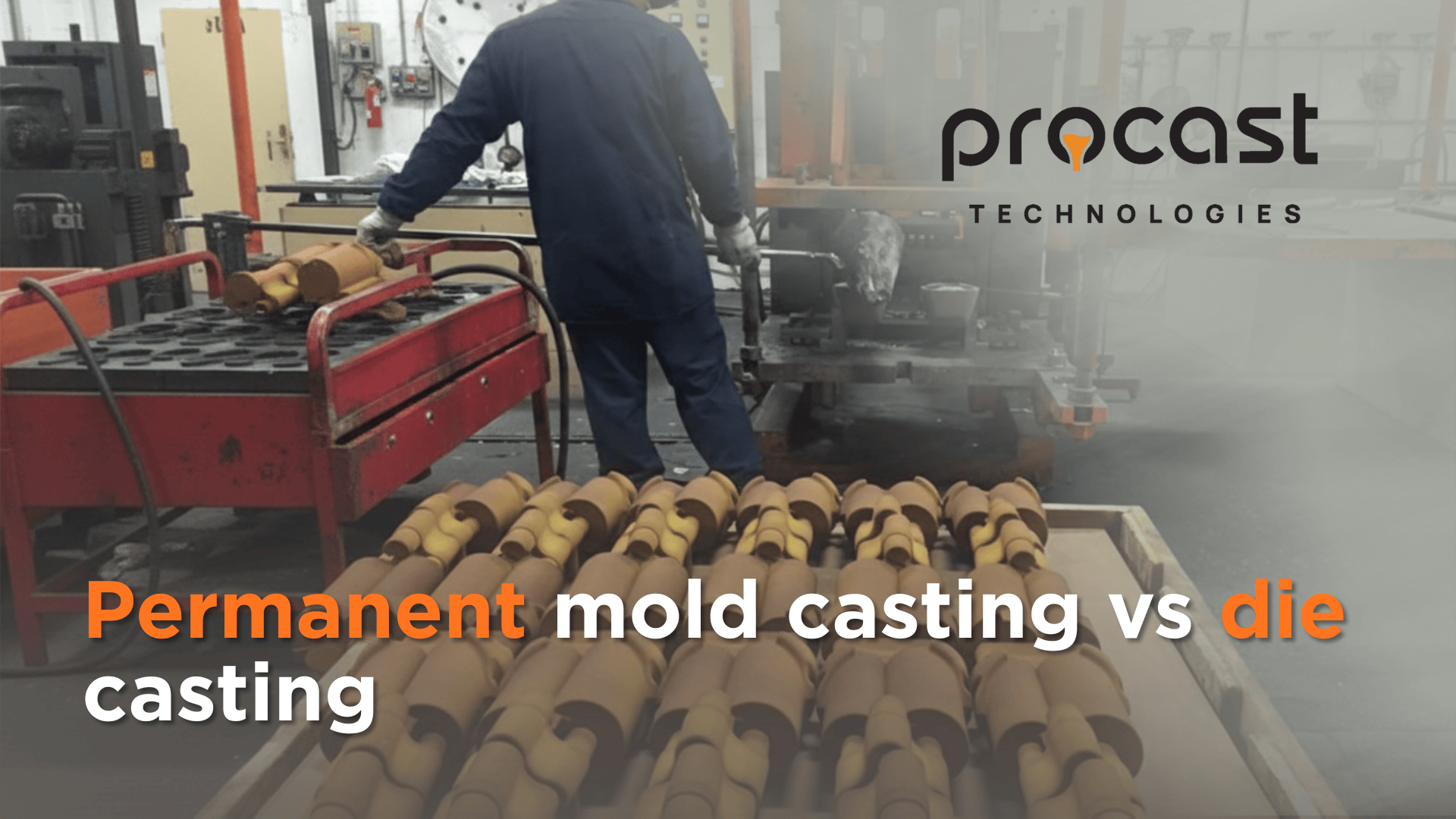
In the aluminum manufacturing industry, selecting the appropriate casting process is critical for achieving optimal results. Two prominent methods—permanent mold aluminum casting and die cas....
Why do permanent mold castings generally have higher st...

Permanent mold castings exhibit higher strength with mechanical integrity superior to sand castings made from the same material, largely because the rigid, metallic mold enables rapid and co....
Welcome to Our New Website

Welcome to the new ProCast website! We’ve reimagined our online experience to better serve you, our valued clients and partners. With a fresh design, streamlined navigation, and enhanced fea....