What Type of Aluminum is Best for Permanent Mold Casting?
December 12, 2025
When it comes to permanent mold aluminum casting, the choice of alloy plays a crucial role in determining both the quality and performance of the final product. Understanding the various types of aluminum and their unique properties is essential for manufacturing engineers, product designers, and procurement directors looking to optimize their projects. In this article, we will explore the characteristics of aluminum suitable for permanent mold casting, the grades commonly used, and the most popular alloys in various industries, all within the context of Permanent Mold Aluminum Casting.
What is the Best Aluminum for Permanent Mold Casting?
The best aluminum for casting is characterized by its fluidity, strength, and resistance to thermal and mechanical stress. These qualities ensure that the aluminum can fill molds successfully, resulting in high-quality castings.
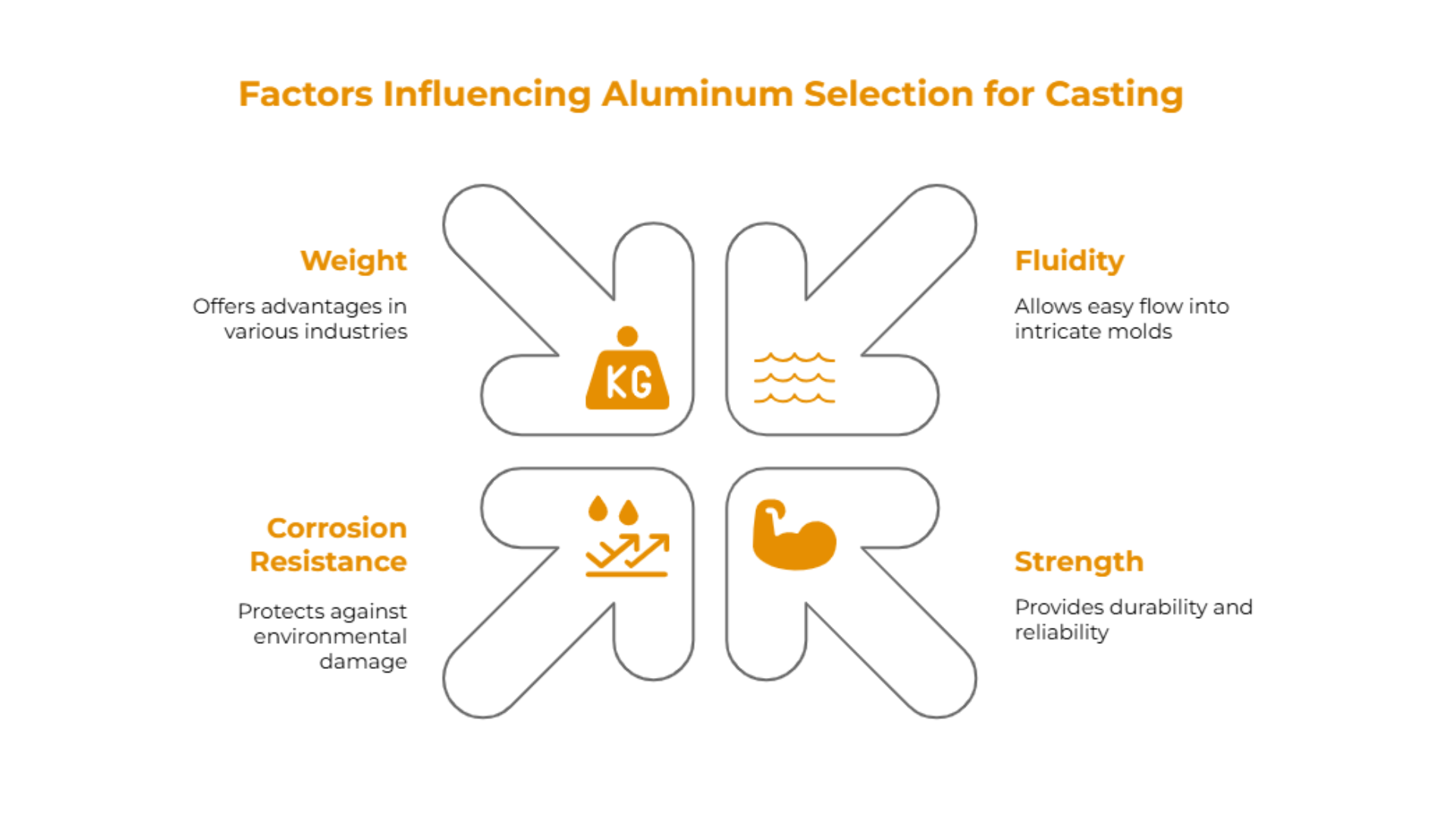
When evaluating what type of aluminum alloy is best for casting metal, key performance characteristics include:
✓ Fluidity: This allows the molten aluminum to flow easily into intricate mold designs, reducing the likelihood of defects.
✓Strength: High tensile strength is essential for applications that require durability and reliability.
✓Corrosion Resistance: Aluminum naturally resists corrosion, making it ideal for various environments.
✓Weight: Aluminum is lightweight, advantageous in industries like automotive and aerospace.
Applications and Industries
Various applications and industries that utilize cast aluminum, including:
- Automotive aftermarket: Engine components, transmission cases, and structural parts.
- Medical Equipment: structural castings and housings for medical devices.
- Marine: Components for boats, marine engines, and driveline parts.
- Industrial Equipment: Parts for machinery, heavy-duty trucks, and air compressors.
Understanding these characteristics helps in selecting the right aluminum for your specific needs, ensuring optimal performance and reliability for your projects. Additionally, our in-house solidification analysis utilizes advanced technology to run pouring simulations in virtual reality, which eliminates issues like shrinkage and porosity, further enhancing the quality of the final castings.
Common Grades of Aluminum Used for Casting
Common grades of aluminum used in casting processes include:
| Alloy Grade | Key Properties | Common Applications |
|---|---|---|
| A356.0 | Excellent fluidity, corrosion resistance | Automotive, aerospace, intricate designs |
| 413.0 | High strength, excellent casting characteristics | Marine applications |
| 319.0 | Good wear resistance | Engine components, heavy-duty applications |
Each of these grades has specific properties making them suitable for different applications, as outlined in the cast aluminum alloys list. Selecting the right grade enhances the performance and durability of the final product. Our capabilities also include advanced CNC machining and strict quality control, which ensure that every casting meets the required specifications and tolerances.
What is the Most Common Aluminum for Casting?
The most widely used aluminum alloys in casting, are:
›A356.0: This primary alloy is popular due to its excellent mechanical properties and versatility, making it a go-to choice in the automotive and aerospace industries.
›319.0 This alloy is extremely popular for its excellent mechanical properties for all general casting applications.
›413.0: This alloy is often selected for its light weight and strength, making it ideal for marine components.
The popularity of these alloys stems from their balance of properties that meet the demands of various industries. Their ability to provide high-quality castings while maintaining cost-effectiveness makes them a preferred choice for manufacturers. Also, our pressure testing capabilities, which include testing up to 150 psi, ensure that the castings not only meet but exceed industry standards for performance and safety.
What is the Best Aluminum to Cast?
When comparing different aluminum alloys for casting, several factors influence the choice:
• Casting Properties: Fluidity, shrinkage, and porosity are critical factors that affect the casting process.
• Mechanical Properties: Tensile strength, hardness, and elongation determine the alloy’s performance in its intended application.
• Corrosion Resistance: Depending on the environment, some alloys may be more suitable than others.
For automotive applications, the best aluminum alloys for casting are typically A356.0 and 319.0. These alloys offer excellent strength and durability, while also supporting intricate designs. Their properties make them ideal for components that require both high performance and a quality finish.
Selecting the right aluminum for casting is essential for ensuring the success of your projects. By understanding the various grades and their applications, you can make informed decisions that enhance the quality and reliability of your castings. Our single-source solution approach streamlines your projects from design through assembly and inventory management, ensuring a seamless experience.
Frequently Asked Questions
What are the advantages of using aluminum in permanent mold casting?
At Procast, we leverage aluminum for its outstanding properties in permanent mold casting:
- Aluminum is lightweight yet strong, making it ideal for applications requiring durability without added weight.
- Our team employs innovative cooling techniques, such as controlled cooling rates, to enhance the casting process, ensuring uniform solidification and significantly reducing the risk of defects.
- The versatility of aluminum allows for a wide range of finishes, catering to diverse aesthetic and functional requirements in highly regulated industries like medical and defense.
Which aluminum alloys are best suited for permanent mold casting?
For permanent mold casting, the following aluminum alloys are best suited due to their excellent fluidity and mechanical properties:
- A356: Offers superior strength and ductility, ideal for automotive and aerospace components.
- 319: Known for its thermal conductivity and corrosion resistance, perfect for engine parts.
- B413: Has good machinability and very good resistance to corrosion.
- These alloys ensure high-quality castings with reliable performance.
How does Procast ensure the quality of aluminum castings?
Procast ensures the quality of aluminum castings through meticulous processes:
- Rigorous quality control checks at each production stage
- Utilization of high-grade aluminum alloys for durability
- Advanced technology and equipment for precision casting
- Skilled technicians with extensive industry experience
- Continuous training and process improvement initiatives
- This comprehensive approach guarantees castings that meet stringent industry standards and customer specifications.
Can Procast assist with custom aluminum casting designs?
Absolutely! Procast excels in providing tailored solutions for custom aluminum castings:
- Our skilled design team leverages extensive industry experience to create innovative designs that align with your vision, ensuring we select the best aluminum types for permanent mold casting, such as A356, 319 and 413 alloys known for their excellent fluidity and mechanical properties.
- We utilize cutting-edge modeling software, including Solidification Analysis, to optimize designs and enhance manufacturability.
- This proactive approach ensures that your project is not only completed on time but also meets the highest standards of quality.
What is the typical lead time for aluminum castings at Procast?
At Procast, we strive for quick delivery while maintaining high standards:
- Lead times for aluminum castings typically range from 2 to 6 weeks, depending on the project’s intricacy and quantity. Our efficient workflow, supported by advanced project management tools, allows for prompt processing.
- Engaging with us early in the process can help streamline your project timeline effectively, especially when selecting the best aluminum for permanent mold casting to meet your specifications.
How does Procast handle defects in aluminum castings?
At Procast, we ensure high-quality aluminum castings by implementing rigorous defect management protocols:
- Conduct thorough inspections using advanced non-destructive testing techniques.
- Utilize state-of-the-art equipment to identify and correct defects early in the process.
- Implement continuous monitoring and quality control checks at each production stage.
- Provide detailed feedback to refine processes and prevent future defects.
- Engage in ongoing staff training to maintain high standards of craftsmanship.
What industries does Procast serve with its aluminum casting solutions?
Procast provides specialized aluminum casting solutions across a wide range of industries:
- Our capabilities extend to sectors such as automotive, aerospace, electronics, and consumer goods, where we utilize the best aluminum types for permanent mold casting to ensure optimal performance.
- We leverage our in-house engineering and advanced simulation techniques to create custom solutions that adhere to the specific standards and expectations of each field.
- This diverse expertise enables us to deliver high-quality products that meet both performance and regulatory requirements.
How does Procast’s technology improve the aluminum casting process?
Technology plays a crucial role in Procast’s aluminum casting process:
- We leverage cutting-edge simulation software, such as Solidification Analysis, to optimize mold design and reduce lead times, ensuring we select the best aluminum alloys for permanent mold casting.
- Our in-house automated quality inspection systems, including CNC and CMM inspection, ensure consistent product standards throughout production.
- This integration of technology enables us to achieve superior casting quality while maintaining cost-effectiveness.
Want to see a technical breakdown of the alloys we pour and how Procast applies the power of Permanent Mold Aluminum Casting to deliver precision, consistency, and performance?
Discover how our team can bring your next project to life with unmatched quality and expertise.